Company profile
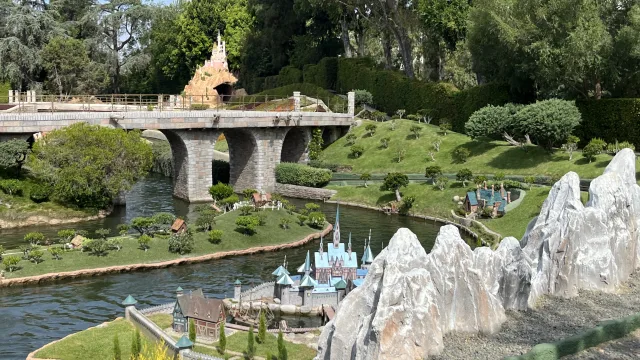
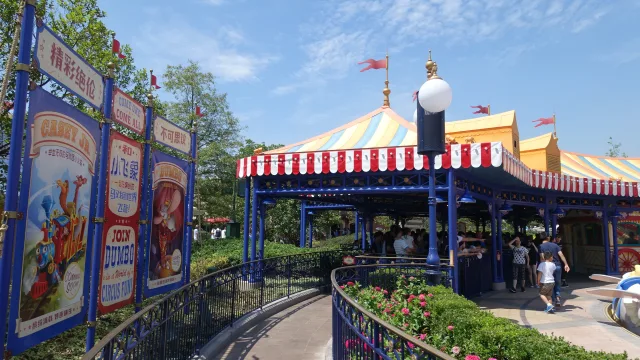
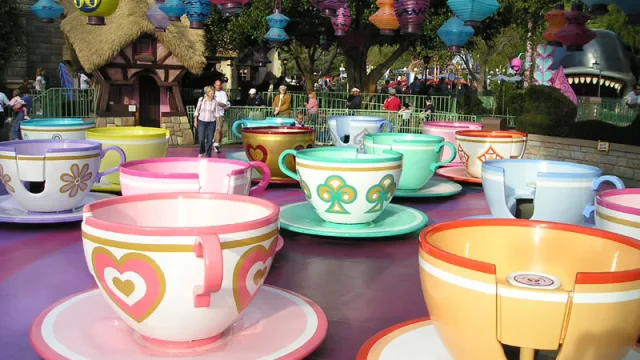
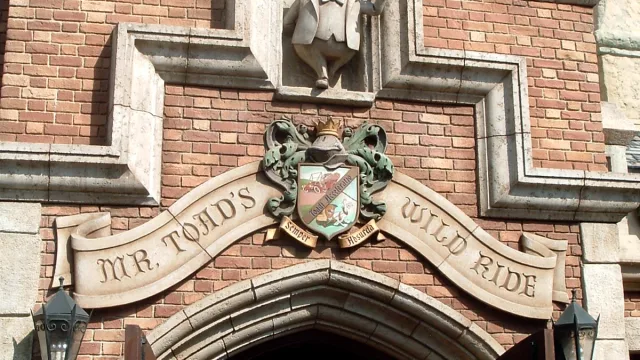
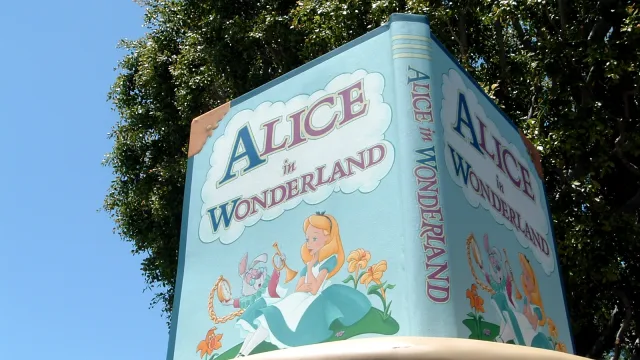
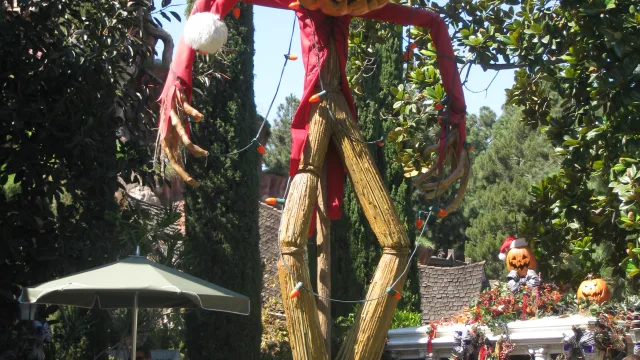
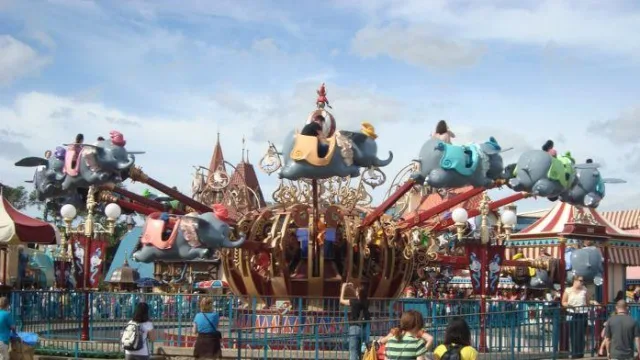
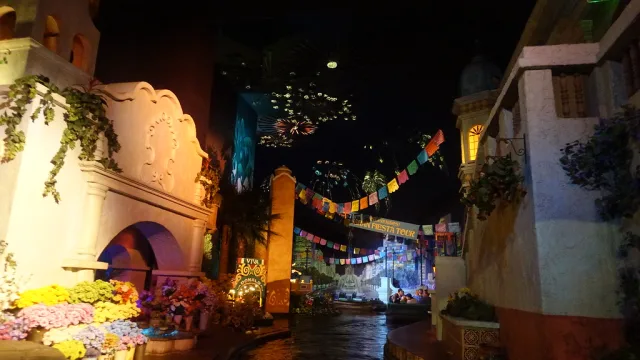
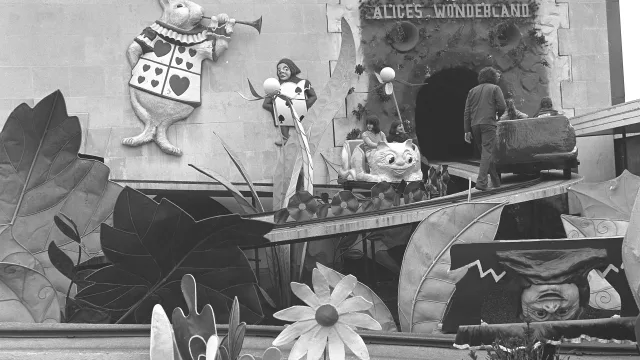
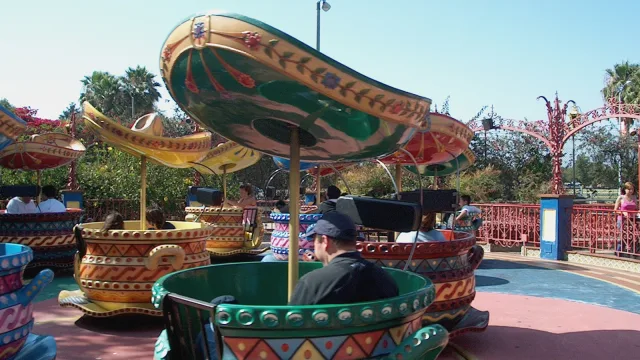
Arrow Dynamics is one of the most influential names in the history of the modern attractions industry. The name refers to the later phase of a company lineage that began as Arrow Development, a small machine shop in Mountain View, California, founded by Angus Anderson, Karl Bacon, William Hardiman and Edgar Morgan. From repair work, machine building and local amusement devices, Arrow grew during the 1950s into a crucial technical partner for Walt Disney. The company built or developed systems for early Disneyland attractions including Mad Tea Party, Dumbo the Flying Elephant, Casey Jr. Circus Train, Mr. Toad’s Wild Ride, Alice in Wonderland, Pirates of the Caribbean and Haunted Mansion.
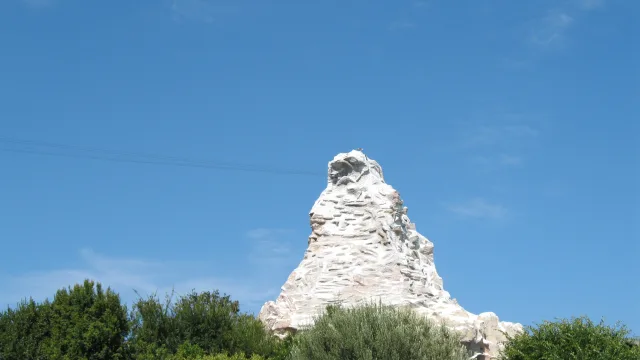
The greatest historical breakthrough came with Matterhorn Bobsleds in 1959. Together with Disney Imagineering, Karl Bacon and Ed Morgan developed a tubular steel track concept with wheel and guidance arrangements that allowed far more complex forms than traditional wooden coaster technology. The National Inventors Hall of Fame links Bacon and Morgan directly to the bobsled amusement ride patent and to the standard set for later steel roller coaster design. Arrow then developed log flumes, mine trains, looping coasters, suspended coasters and large custom coasters. As a result, the company became a bridge between classic amusement engineering and the era of modern steel coasters.
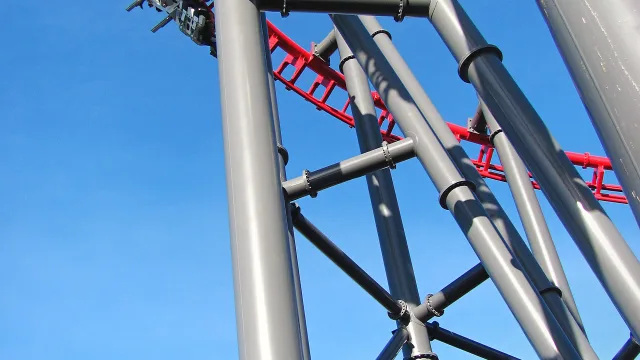
The corporate history is complex. Arrow Development was sold to Rio Grande Industries in the 1970s, later became part of HUSS and operated as Arrow-Huss. After financial problems and a buyout, the Arrow Dynamics name emerged in Utah in the mid 1980s. Under that name the company delivered hyper coasters, suspended coasters, Steeplechase variants and ultimately X, the first 4th Dimension coaster at Six Flags Magic Mountain. That final project was technically groundbreaking, but it also contributed to the financial difficulties that led to the 2001 bankruptcy process.
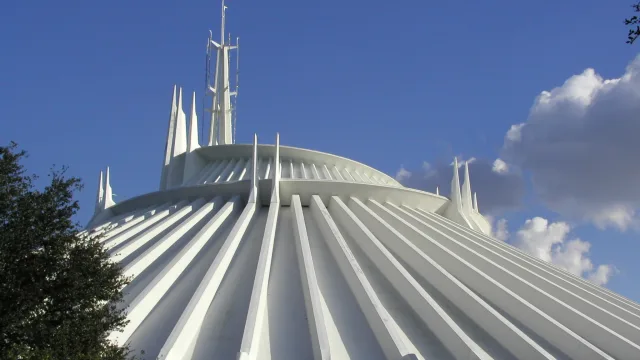
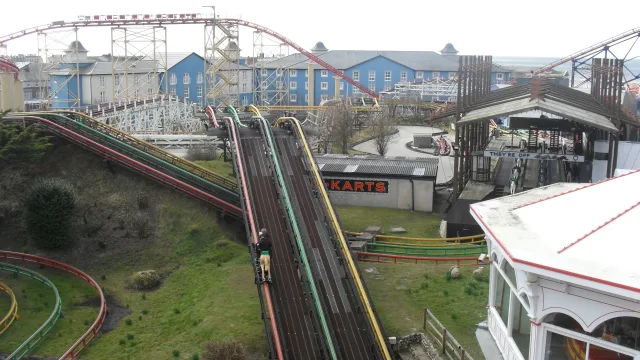
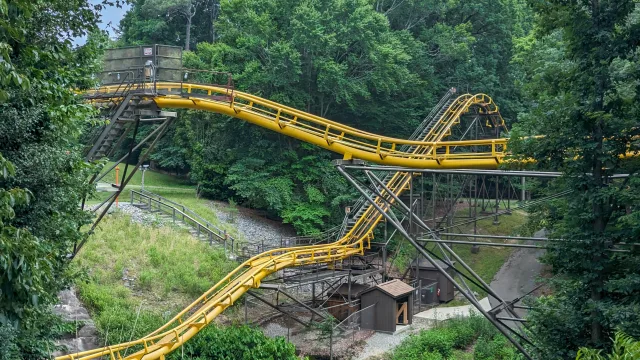
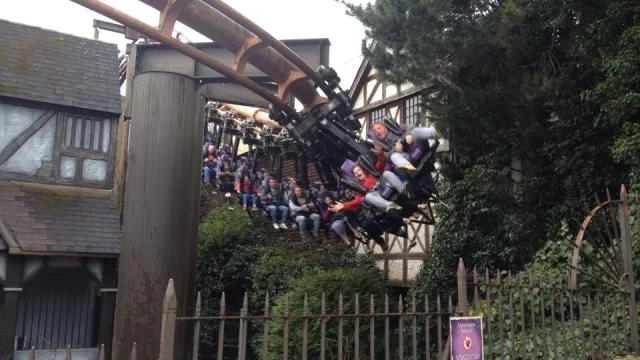
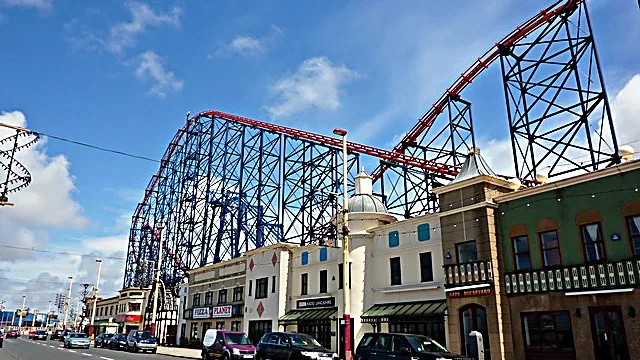
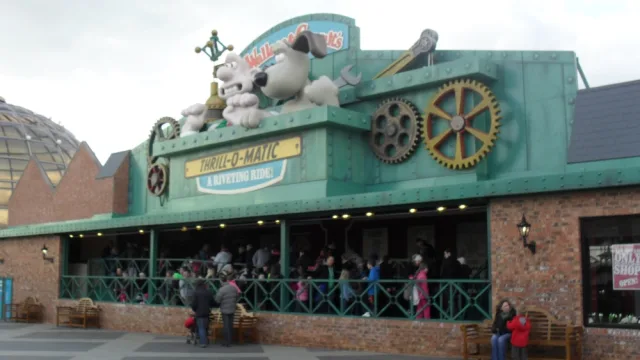
Today Arrow Dynamics no longer exists as an independent manufacturer. S&S Worldwide purchased selected assets, patents, parts and drawings in 2002 and still supports historic Arrow installations. In W8baan the legacy is unusually visible: from Disneyland dark rides and Disney mine trains to Big One, Revolution and Steeplechase at Blackpool, Loch Ness Monster at Busch Gardens Williamsburg, Vampire at Chessington, Space Mountain at Magic Kingdom, El Diablo at PortAventura and X2 at Six Flags Magic Mountain. That breadth explains why Arrow occupies an unusual place in both coaster databases and dark ride history. The company was not merely a supplier of track or vehicles, but a systems thinker that helped parks combine movement, capacity and story technically. Even when later manufacturers refined Arrow concepts, the original grammar remained recognisable.
History
Arrow Development emerged in late 1945 in Mountain View, rooted in the technical experience of founders who had met in California’s industrial environment. The young company initially built machines, parts and local amusement devices. Its relationship with Walt Disney changed the scale of the business. In preparation for Disneyland, Arrow received assignments for vehicles and transport systems suited to a new type of theme park, where reliability and storytelling had to work together.
In 1959 Matterhorn Bobsleds became a turning point. The combination of an artificial mountain, tubular steel rails, block brakes and compact vehicles made the modern steel coaster practical. During the 1960s and 1970s, log flumes, mine trains and looping coasters followed. Arrow developed systems that helped parks standardise water rides, dark rides and roller coasters on an industrial scale while still allowing customisation by site. The influence also reached Europe, including Blackpool and later knowledge transfer toward Vekoma.
The financial and organisational history was more uneven than the technical one. Arrow was sold to Rio Grande Industries, then to HUSS, and after Arrow-Huss bankruptcy it passed to American managers. From 1986 the company operated as Arrow Dynamics from Utah. The 1980s and 1990s brought both iconic successes and signs of technical pressure: Magnum XL-200 put the hyper coaster on the map, Big One brought that idea to Europe, while experimental concepts such as Pipeline and ArrowBATic never reached the market.
The final chapter came with X at Six Flags Magic Mountain. The first 4th Dimension coaster was a radical attempt to combine track, seat rotation and spatial sensation. The project became historic, but also expensive. Arrow Dynamics filed for bankruptcy protection in 2001. In 2002 S&S Power purchased selected assets. The independent manufacturer ended, but its operational legacy did not. The continued presence of these attractions in parks shows that Arrow represents not only a period, but a technical layer on which many modern park experiences were built.
Innovation and technology
Arrow’s technical legacy begins with the idea that coaster track no longer had to be a wooden structure with flat running surfaces. The tubular steel track of Matterhorn Bobsleds used steel pipes, wheel assemblies and guidance that allowed tighter curves, smoother banking and more compact integration inside a show building or artificial mountain. The bobsled amusement ride patent describes vehicles, speed control, block braking, curve guidance and water braking. That combination of vehicle, track and control system later became recognisable in many modern steel coasters.
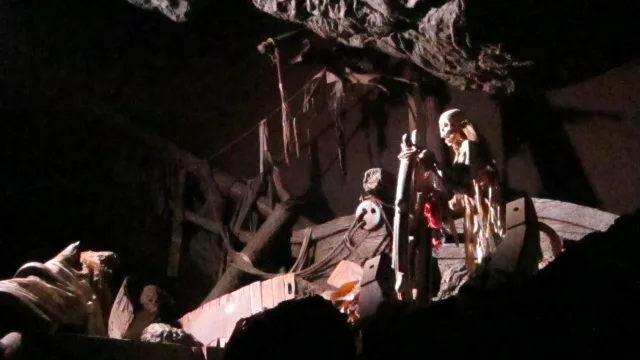
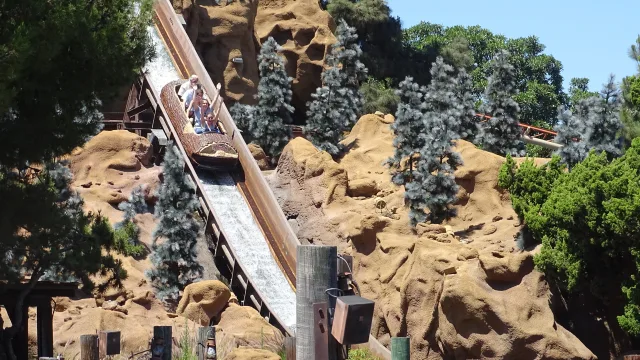
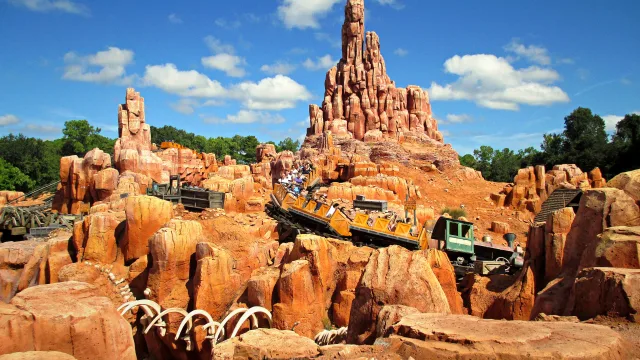
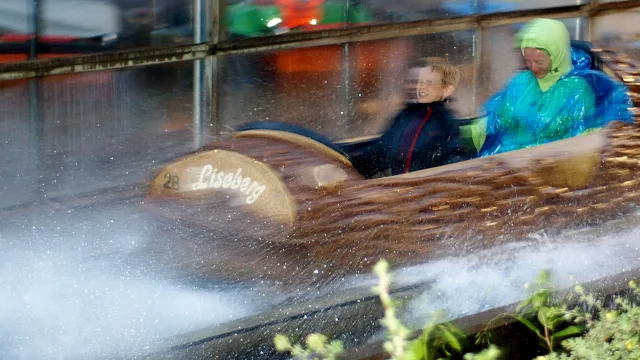
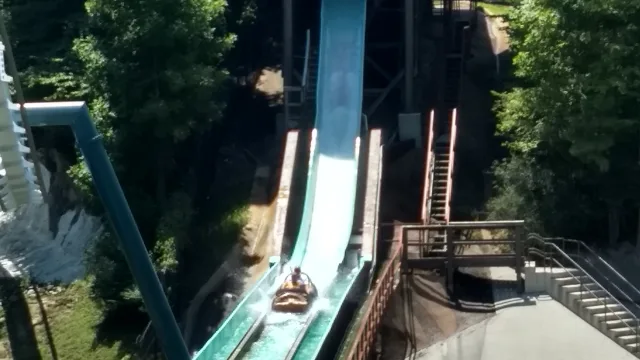
Arrow applied the same systems thinking to water rides and dark rides. In log flumes the challenge was boat shape, water channel, lifts, drops and capacity. In Pirates of the Caribbean and other boat dark rides it was high passenger volume, controlled motion and scene sequencing. In mine trains Arrow developed compact steel tracks with chain lifts, low profiles and family friendly speed. The Corkscrew and Custom Looping Coaster lines used standardised inversions such as corkscrews, vertical loops and later more complex elements.
In later decades Arrow continued to seek new technical formats. Suspended coasters placed vehicles below the track and allowed them to swing laterally. Hyper coasters such as Magnum XL-200 and Big One used great height, long airtime hills and comparatively simple trains. X2, derived from X, introduced seats that could rotate independently of the track path and therefore added a fourth dimension. These innovations were not always perfectly refined, but they repeatedly expanded the technical language of the industry. Importantly, Arrow often accepted technical risk when a park needed a new effect. That sometimes created demanding maintenance questions, but also concepts that guided the rest of the industry. The combination of steel fabrication, vehicle mechanics and operational control remained the core.
Industry impact
Arrow’s impact is exceptional because the company helped normalise several base technologies of the contemporary theme park industry. Without Arrow, Disneyland would probably have gained reliable transport systems, boat dark rides and family ride vehicles much more slowly. Matterhorn Bobsleds made the steel coaster not only possible, but also marketable as a themed attraction in a compact environment. The log flume became a standard category in almost every large park, and the mine train gave families a recognisable first thrill experience.
In the coaster world, Arrow’s looping coasters, suspended coasters and hyper coasters shaped generations of park development. The company inspired competitors, provided technology that Vekoma continued in Europe and created track forms that are still recognisable. Even the failures are influential: X demonstrated both the ambition and risks of radical innovation. Current support by S&S proves that Arrow installations remain operationally important to parks decades later. The influence is cultural as well. Arrow attractions often became landmarks of their parks: Disneyland’s mountain, the interlocking loops of Loch Ness Monster, Blackpool’s skyline and the radical vehicles of X2. Such installations shaped how visitors talked about modern amusement parks. They showed that technology does not remain only behind the scenes, but becomes part of identity, marketing and collective memory.
Current operations
Arrow Dynamics no longer has independent ongoing production. Its current operation consists of legacy, parts, documentation and engineering support through S&S Worldwide. S&S states that it acquired specific assets of Arrow Dynamics in 2002, maintains inventory for certain Arrow rides and manages the archive of Arrow drawings and documents. As a result, the name remains operationally relevant for parks that need to keep historic Arrow systems safe and reliable.
The remaining fleet is large and varied. RCDB lists dozens of extant Arrow coasters, while W8baan sees active installations in Disney parks, Blackpool Pleasure Beach, Busch Gardens, Chessington, PortAventura and Six Flags. For those parks this is not only nostalgia: Arrow attractions are often capacity pillars, icons or heritage pieces. Current operations for Arrow therefore mainly means lifecycle management: inspections, replacement parts, train modernisation, documentation and technical interpretation of older designs. That support matters because many Arrow rides have unique layouts, older controls or train designs that are no longer common. The current value therefore lies in preservation, interpretation and responsible renewal.
Design philosophy
Arrow’s design philosophy came from practical machine building: a problem had to be solved with a vehicle, track and mechanism that could function every day. That attitude suited Disney well, where fantasy only worked if thousands of guests per hour could move safely through a scene. Arrow therefore often designed systems that did not stand alone, but became part of setting, story, landscape or capacity.
In roller coasters the company was experimental and sometimes uncompromising. New formats were often first developed as technical answers and only later refined into comfort and market standards. That explains both the brilliance and the rougher edges of some Arrow attractions. The philosophy was that of an inventor’s workshop: dare to change the mechanical principle when the existing solution limits a park’s imagination. That makes Arrow different from manufacturers that worked mainly from fixed catalogue models. The best Arrow projects feel as if the machine was invented specifically for the location. The downside was that prototypes were sometimes difficult to tame, but precisely that experimental character gave the manufacturer its lasting reputation.