Company profile
Zierer Karussell- und Spezialmaschinenbau GmbH & Co. KG is a German manufacturer known in the attractions industry for durable family rides, compact roller coasters and classic looking round rides backed by modern engineering. The company is based on Josef-Wallner-Straße in Deggendorf and forms part of the STREICHER Group, a broader technical group with roots in mechanical, civil, electrical and industrial engineering. That group context helps explain why Zierer presents itself not only as a ride builder, but also as a special mechanical engineering company able to support projects from concept and construction through commissioning, after sales and refurbishment.
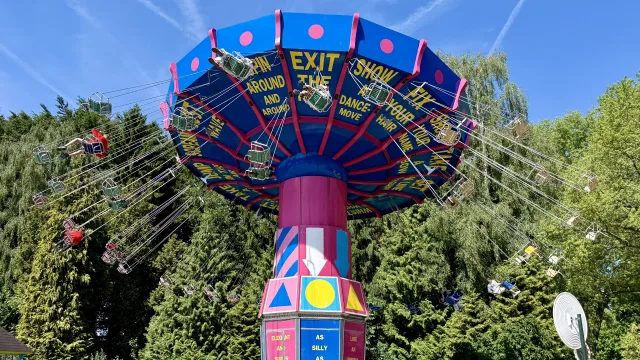
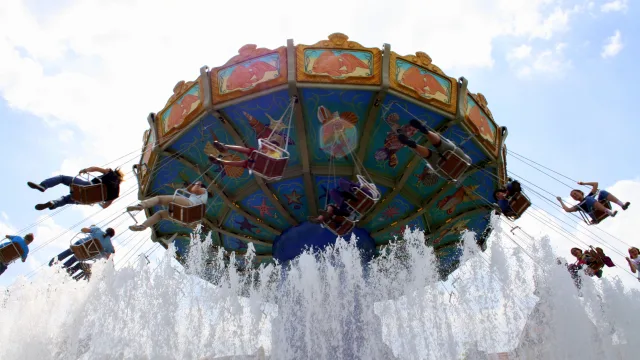
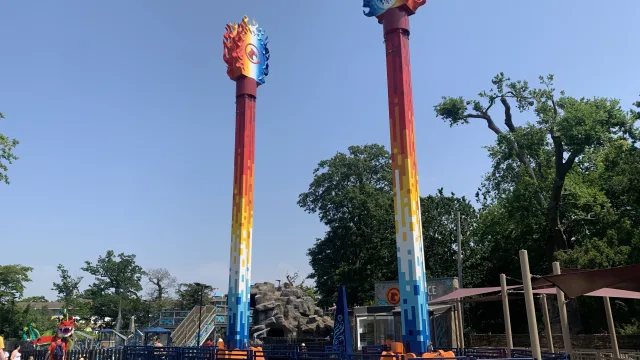
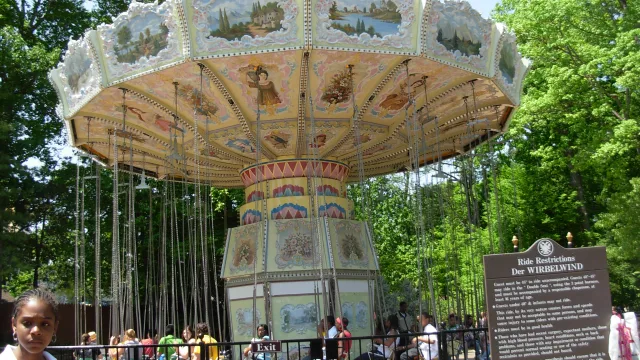
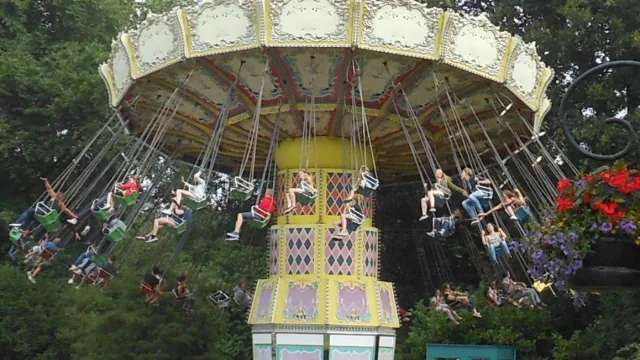
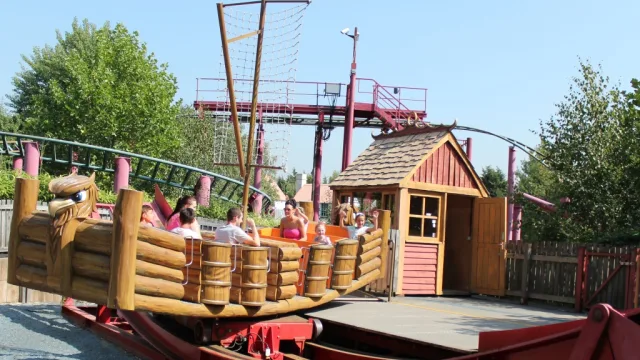
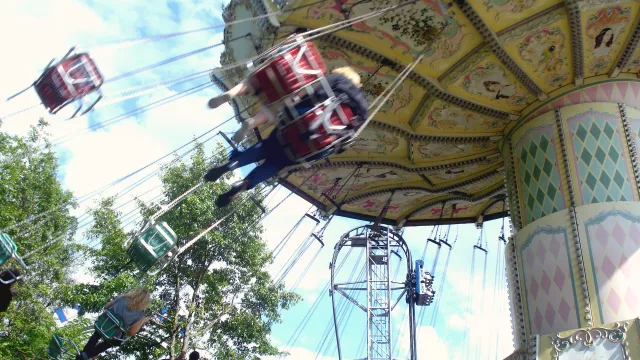
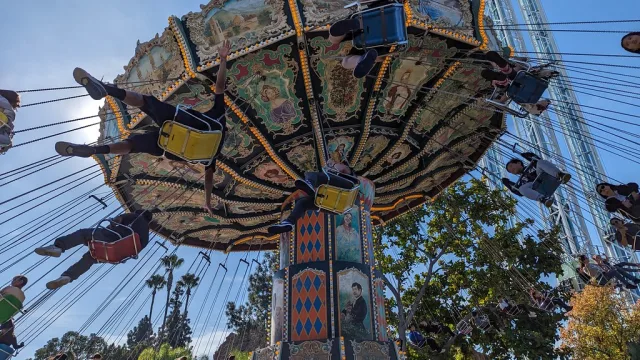
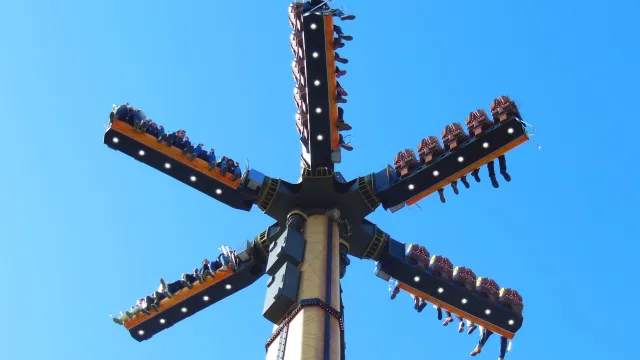
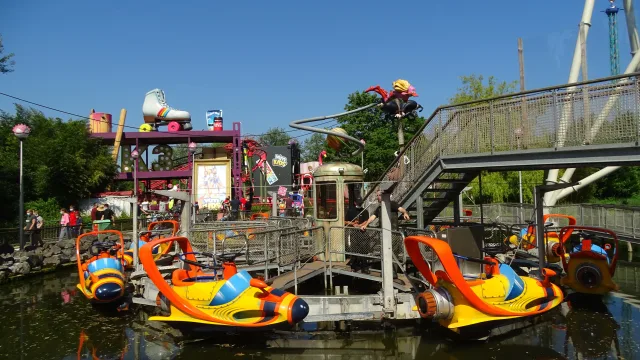
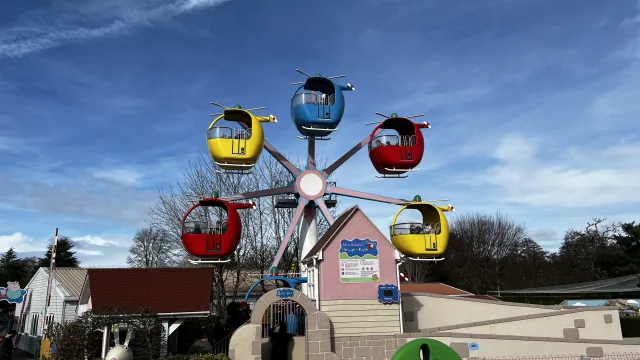
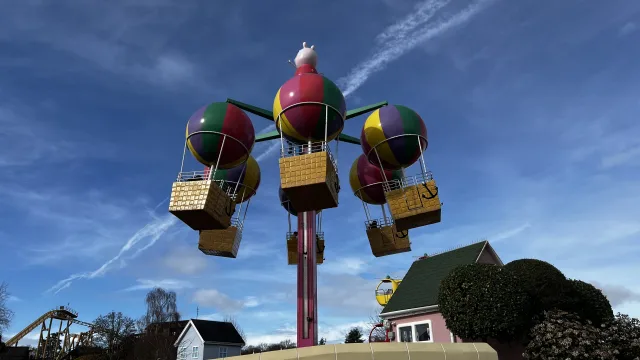
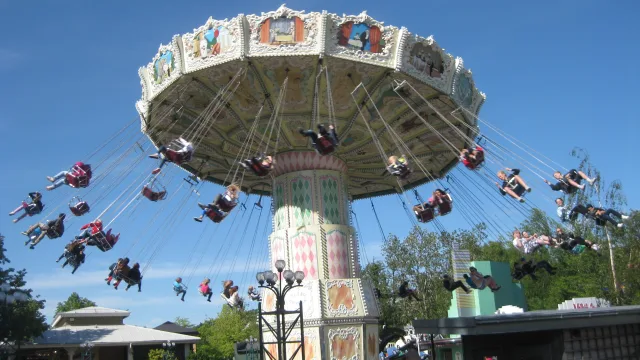
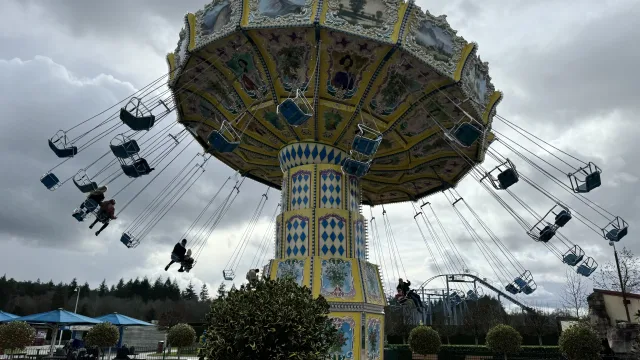
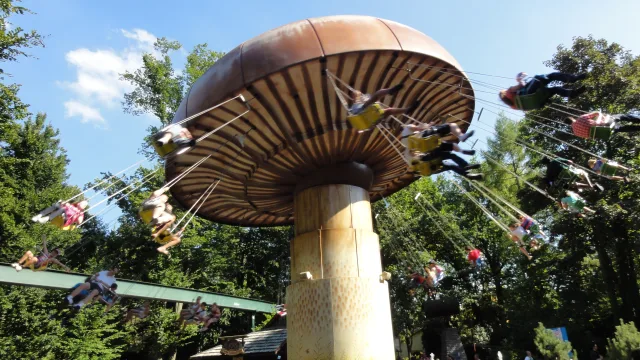
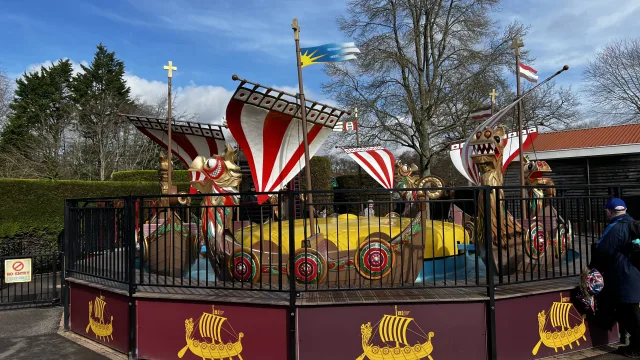
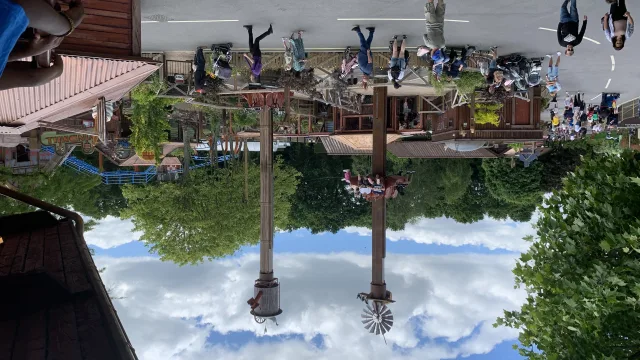
The portfolio is wide. In roller coasters it includes Force Coasters for young and mixed audiences, Elevated Seating Coasters, Tower Launch and Tower Speed concepts, Dueling Reverse Coasters and older Tivoli models found in family areas around the world. In flat and circular rides, the original Wave Swinger is the defining product. Zierer describes it as a long lived classic with different capacities and extensive decorative options. The company also builds carousels, Drifters, Kontiki variants, ferris wheels, Family Freefall Towers, Advanced Dark Rides and custom solutions for clients with specific thematic or spatial requirements.
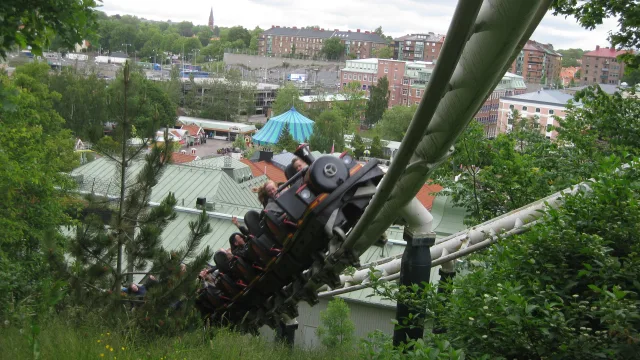
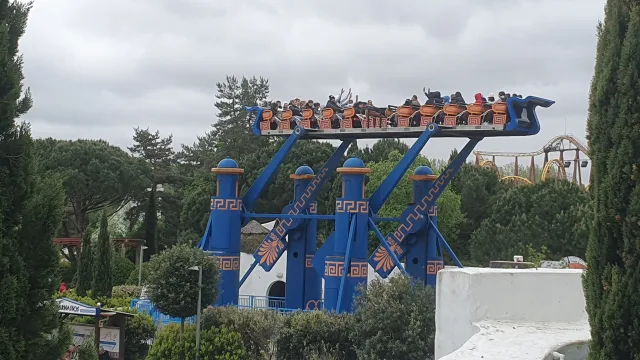
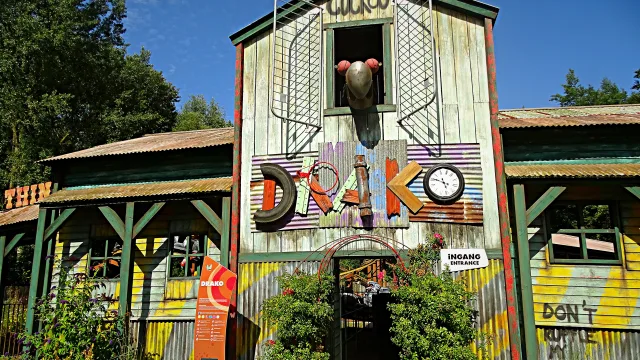
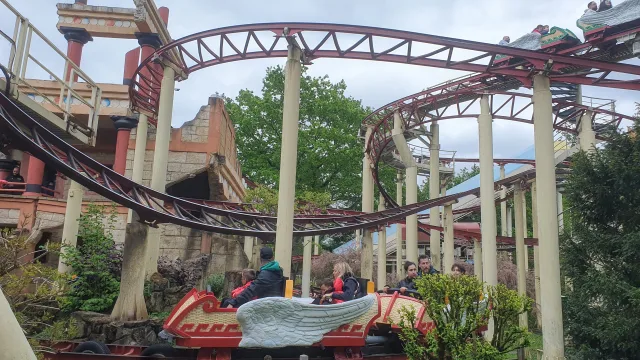
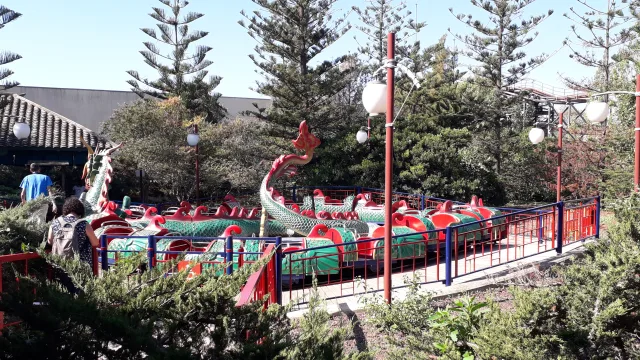
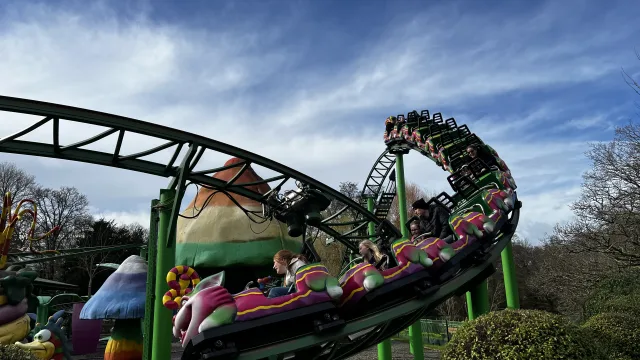
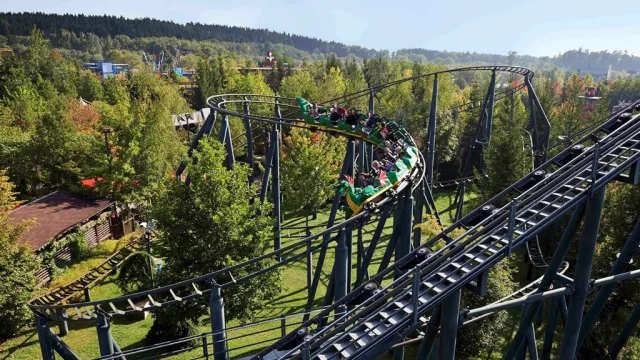
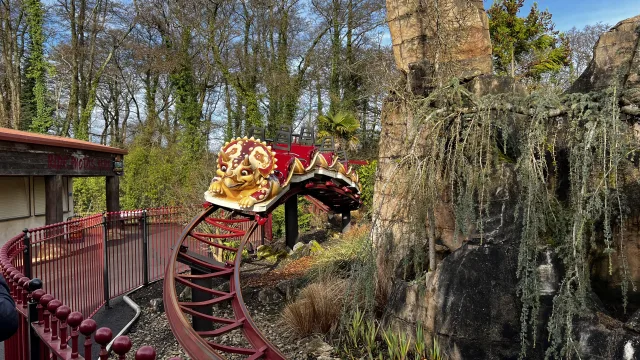
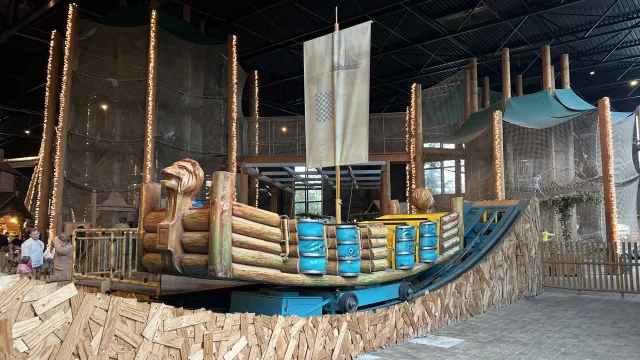
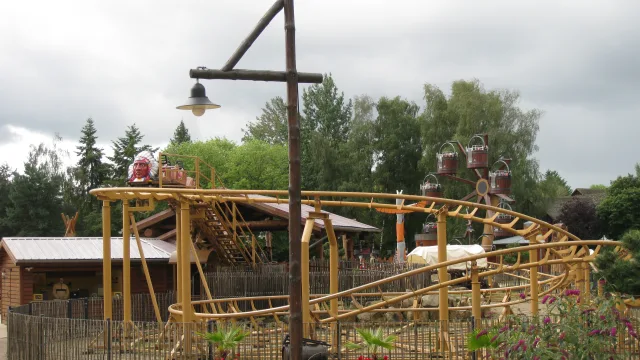
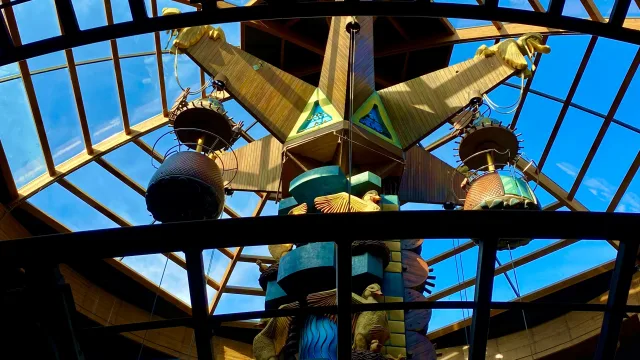
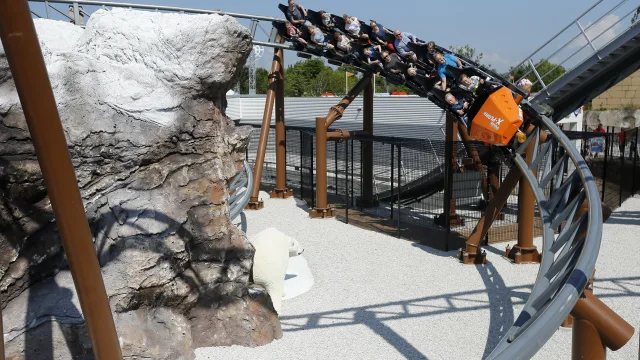
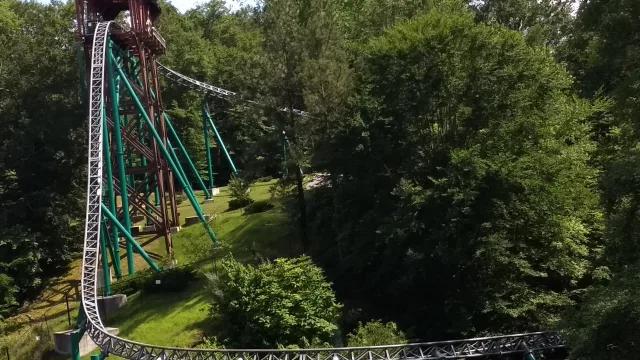
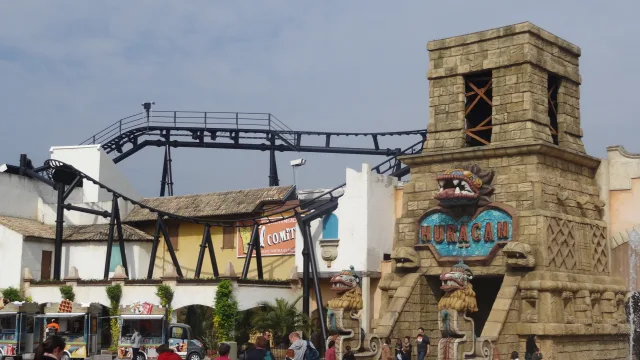
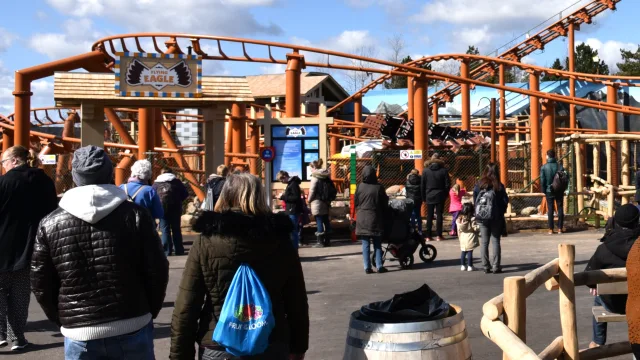
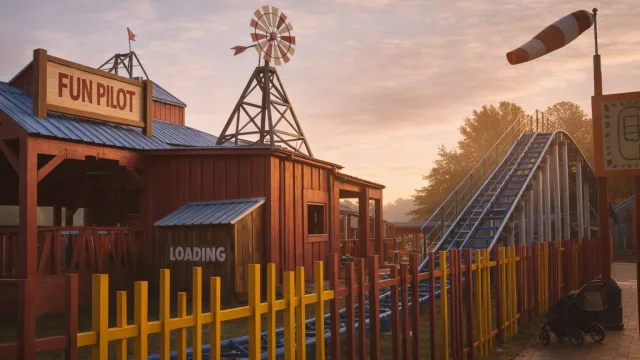
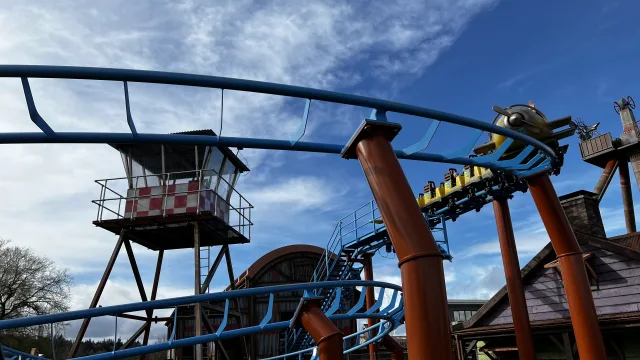
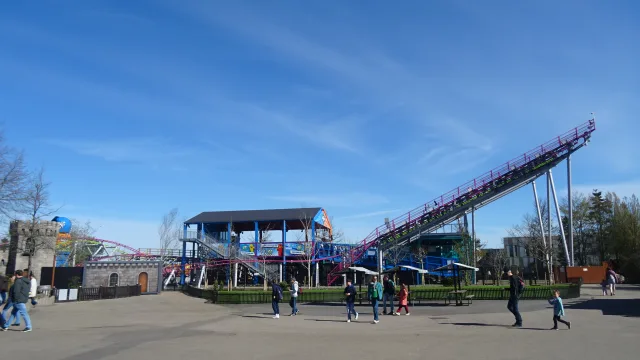
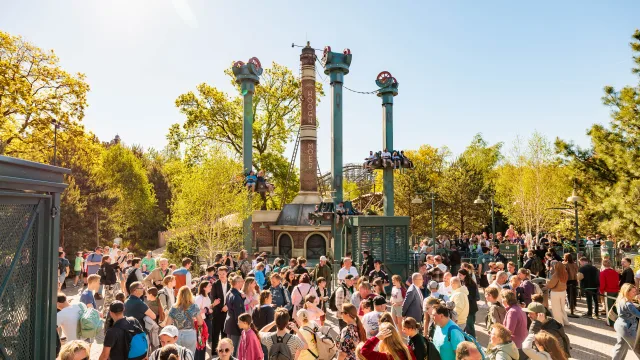
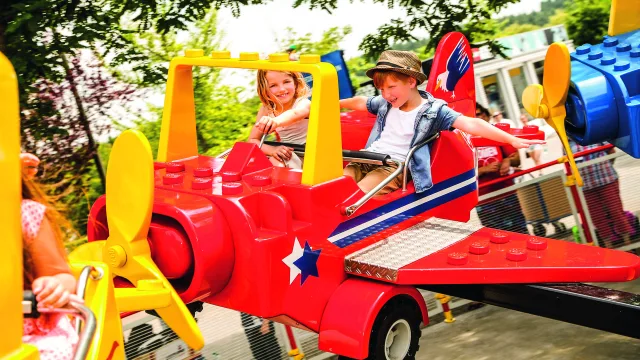
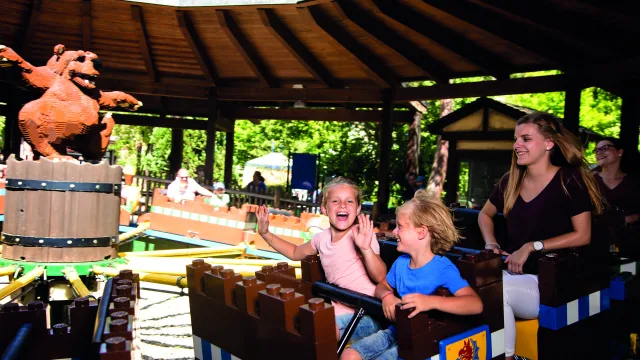
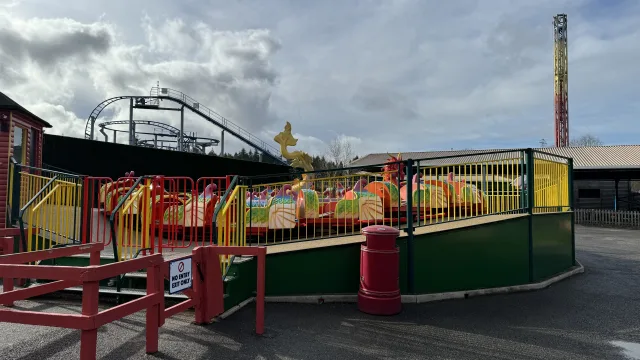
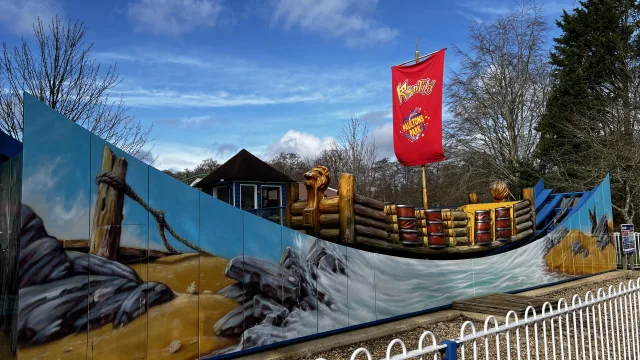
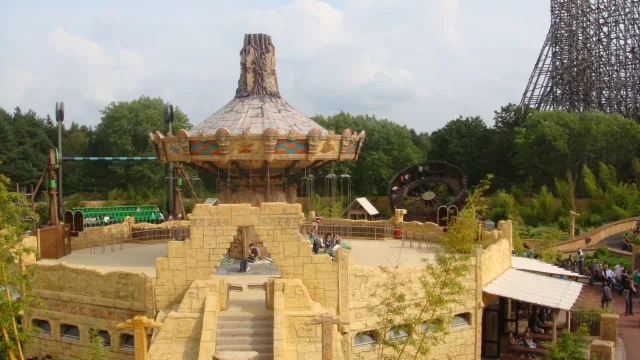
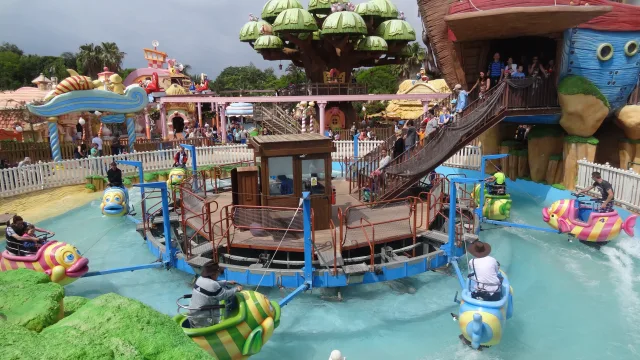
Within W8baan, Zierer appears through a notably varied set of attractions. Lisebergbanan shows the historic collaboration with Anton Schwarzkopf and the value of terrain following layout design. Verbolten at Busch Gardens Williamsburg demonstrates another side of the company, combining launch technology, show buildings, surprise track movement and narrative pacing in a modern family thrill coaster. Huracan at Bellewaerde, Fire Dragon at LEGOLAND Deutschland, Flying Eagle at LEGOLAND Billund, Drako at Walibi Holland, Wave Swingers at Europa-Park and Disney California Adventure, and recent children oriented projects at Alton Towers and Chessington show that the manufacturer is not defined by a single market segment.
Zierer is distinguished by a design approach centred on reliability, low maintenance operation, thematic freedom and broad accessibility. The company rarely defines itself only by height or speed records. Its core is more often found in attractions that remain useful to a park for many years, appeal to several age groups and provide enough technical depth to support customisation. That makes Zierer important for parks renewing family areas without the complexity of a large extreme coaster, and for operators seeking recognisable decorative classics with proven capacity and lifecycle support. This position makes Zierer valuable in an encyclopedia of attraction manufacturers: the company connects historic fairground culture with the requirements of contemporary theme parks. The same name appears on simple children’s coasters, decorative swing rides, more intense family coasters and dark ride style transport systems. That broad spectrum explains why Zierer is so often present in parks without always being marketed as the headline manufacturer.
History
Zierer’s history begins in 1930 in Deggendorf, where German historical sources identify master carpenter Vitus Zierer as the founder. Early work was closely connected to the travelling fairground business. Building living wagons, sales wagons and transport equipment for showmen gave the young company practical knowledge of mobile structures, robust materials and maintainability. During the 1950s attention moved toward the attractions themselves, including carousels and ghost trains. In this way Zierer gradually changed from a supplier to travelling operators into a builder of mechanical guest attractions.
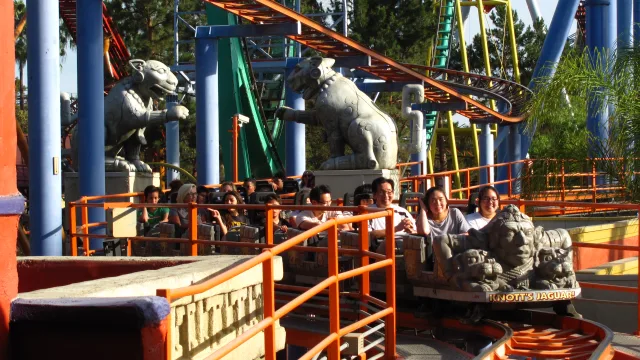
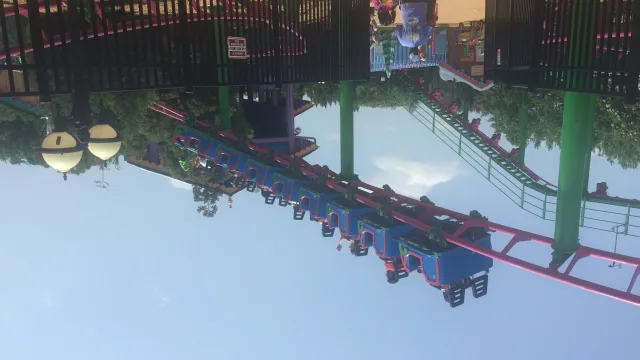
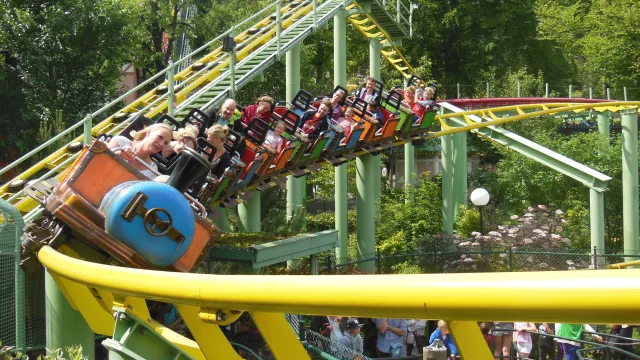
From the 1970s onward Zierer gained a more international profile. The Wave Swinger became one of the company’s most recognisable products and grew into a standard attraction type in parks and fairs. In the same period the Tivoli family coasters appeared, compact steel coasters that gave many parks an accessible first or entry level roller coaster. Their combination of classic styling, limited footprint and reliability suited a market in which family audiences became increasingly important.
A second historical line is Zierer’s connection with other German design and construction traditions. Lisebergbanan, opened in 1987, links the company with Anton Schwarzkopf and Werner Stengel style principles of fluid terrain coaster design. In later decades Zierer widened its portfolio with the Force range, freefall towers, interactive round rides, dark rides and custom technical systems. Its position within the STREICHER Group added industrial backing, engineering capacity and international structure.
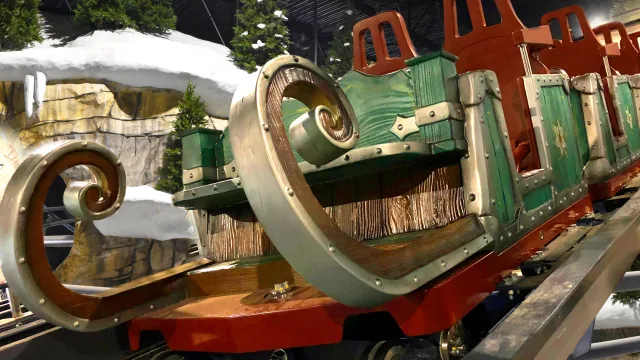
In the twenty first century Zierer remained active in both classic and new forms. Verbolten, opened in 2012, put the brand back in focus through launch technology, show elements and a surprise track movement. The Advanced Dark Ride used for Ghostbusters 5D and recent Dueling Reverse Coasters at LEGOLAND show that Zierer also remains relevant in themed, IP driven family attractions. Official 2026 news about Alton Towers, Chessington and LEGOLAND Billund confirms that the company is still opening new projects in the European family and resort market.
Innovation and technology
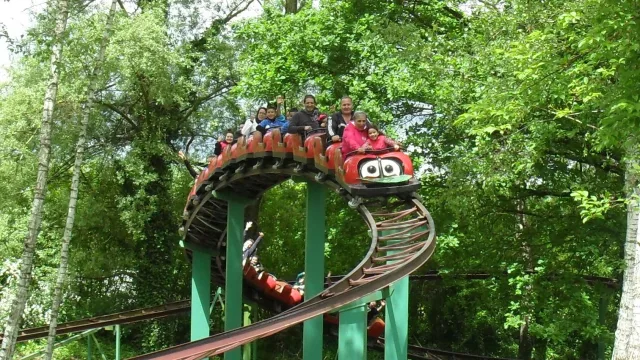
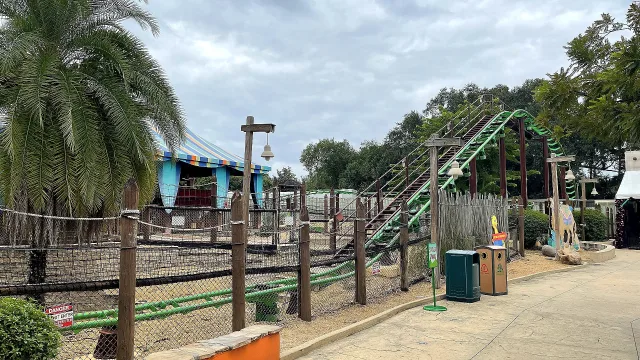
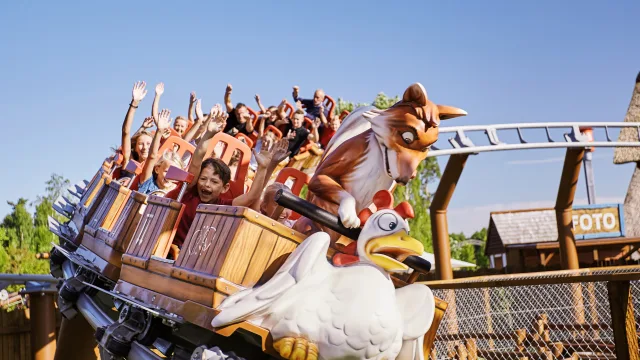
Zierer technology is built around compact mechanical systems that combine predictable operation with a clear ride experience. In the Force Coaster, the company uses friction wheel lift drives, individual lap bars with adjustable ratchet positions and magnetic brakes in the station area. This combination is intended to serve young riders and adults in the same vehicle comfortably and safely while limiting wear and maintenance costs. The Force range varies in footprint, speed and track length, allowing it to fit children’s areas, family zones and medium sized parks.
For more intense roller coasters Zierer applies other solutions. The Tower Launch Coaster combines LSM propulsion, a vertical lift, a near vertical drop, inversions and a Zierer patented restraint concept that allows overhead riding without shoulder restraints. The Elevated Seating Coaster raises the seating position so banking and camelbacks feel more pronounced, while the Dueling Reverse Coaster uses track layout and changing direction to create a race that runs both forward and backward. Patent sources also show attention to track sections that can move in a second direction and to hydraulically controlled freefall towers.
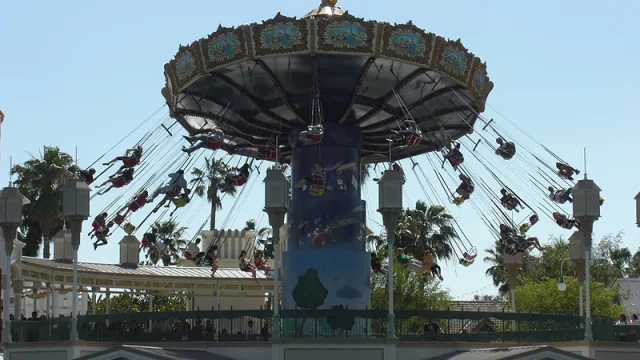
Beyond coasters, Zierer is strong in rides with repeatable movement and decorative impact. The Wave Swinger is mechanically classical, but it requires precise balancing, drive design, suspension, wind resistance and lighting to remain reliable for decades. The Advanced Dark Ride uses rail guided vehicles capable of pitch, roll and rotation, allowing media, scenery and vehicle movement to support one scene together. After sales is a technical part of the company’s philosophy: Zierer describes its own warehouse with more than one thousand spare parts, 24 hour emergency support, inspections, nondestructive testing, electrical modernization and retrofits for older attractions.
Industry impact
Zierer’s impact lies less in a single world record than in the wide availability of dependable family attractions. Tivoli and Force coasters have helped many parks offer a first coaster experience to children and families. That makes Zierer important in the transition between children’s areas and larger thrill rides. The Wave Swinger represents another kind of influence: it became a recognisable park and fairground form, often combining classical decoration, visible motion and strong photographic value.
Zierer also influences the industry through custom work for major resort groups. Projects for Disney, Universal, Merlin, SeaWorld, Europa-Park, Plopsa and Liseberg show that the company can move between standard products and integration in strongly themed areas. Verbolten demonstrated that a manufacturer with a family ride background can also deliver a complex narrative launch coaster. Recent LEGOLAND and Bluey projects confirm that Zierer remains relevant in a market where intellectual property, capacity and child friendly excitement meet. The manufacturer also influenced how parks think about lifecycle. Many installations are not intended as short lived novelties, but as permanent guest magnets that can be modernised with new decoration or technology. The after sales and retrofit programme supports that role. As a result, Zierer is a quiet but structural factor in park planning: less spectacular than record coasters, yet essential for capacity, audience distribution and continuity in family offerings.
Current operations
Zierer operates from Deggendorf as a fully owned part of the STREICHER Group. Official company information refers to roughly 75 employees with backgrounds including craftsmen, mechanical engineers, electricians, technicians and artists. Current activities include design, production, project management, installation, commissioning, training, maintenance, inspection, retrofitting and spare parts supply. The representatives page shows commercial coverage for Germany, Austria, Switzerland, Benelux, the United Kingdom, Nordic countries, Poland, France, North America and parts of Asia.
The current product line focuses on coasters, Advanced Dark Rides, Fun Rides, carousels, Wave Swingers, Major Rides and new concepts. News from 2026 shows active projects at Alton Towers, Chessington and LEGOLAND Billund. Zierer therefore remains a supplier for regional family parks as well as international resort groups looking for reliable, adaptable attractions. Its own spare parts stock, technical hotline and modernization services also make the company relevant for older installations that remain in operation. Zierer therefore sells not only new rides, but also manages the long operating phase of its existing fleet.
Design philosophy
Zierer’s design philosophy centres on enjoyment that is understandable, reliable and repeatable. The company often chooses attractions in which the mechanics may remain visible and decoration strengthens the experience without losing technical simplicity. A Wave Swinger should look elegant and recognisable, a Force Coaster should give young visitors a real coaster feeling without overwhelming them, and a dark ride vehicle should support media and story without harming capacity.
Customisation plays a major role. Zierer offers standard models, but it emphasises theme options, adapted layouts, decorative variants and individual mechanical solutions. The philosophy is therefore less about spectacular exceptions and more about attractions that make sense in a park context: safe, maintainable, family friendly, thematically adaptable and robust enough to remain part of the park landscape for decades. This approach suits operators who move different audiences through the same area every day. A Zierer attraction must not only convince during the first ride, but also support staff, maintenance teams and returning visitors for many years.