Company profile
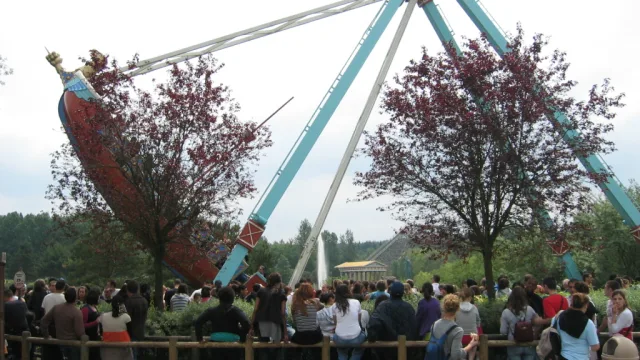
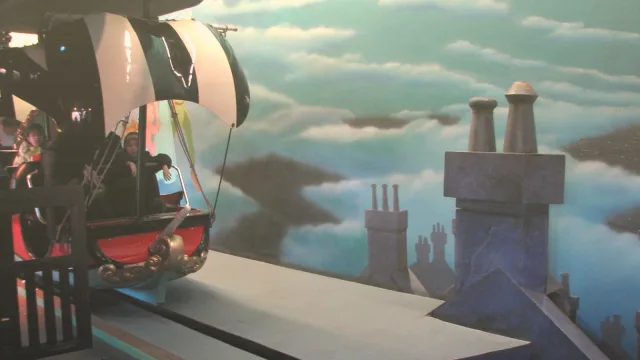
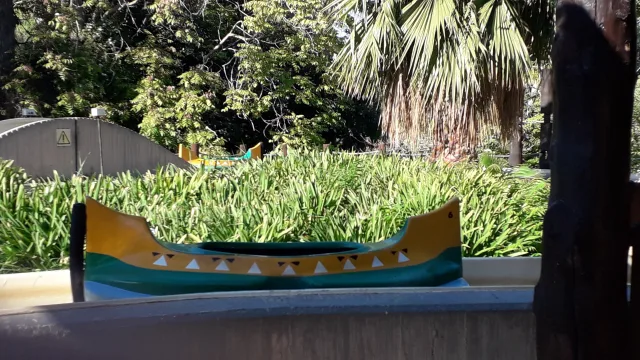
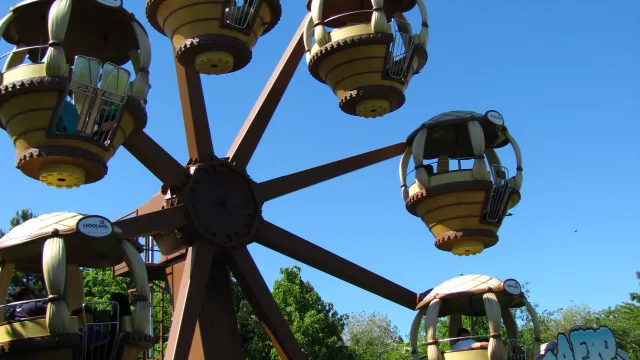
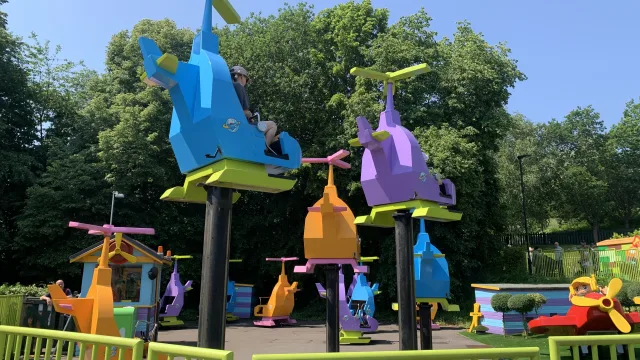
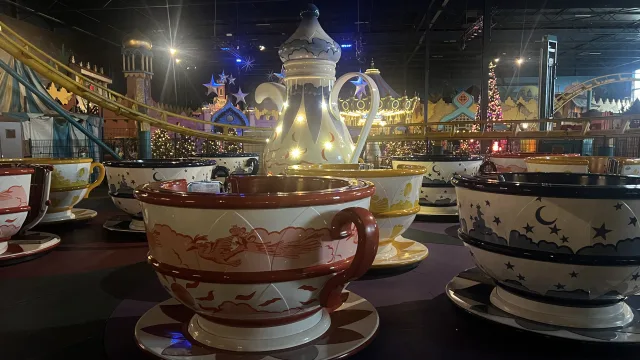
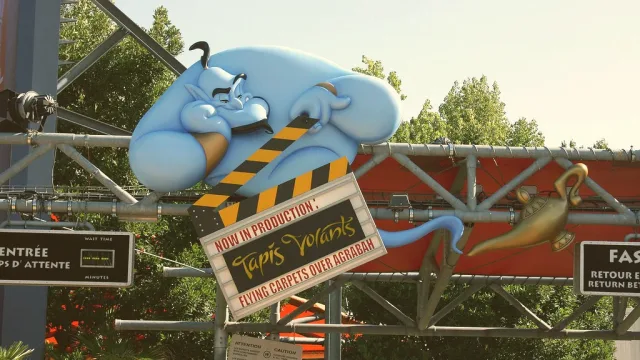
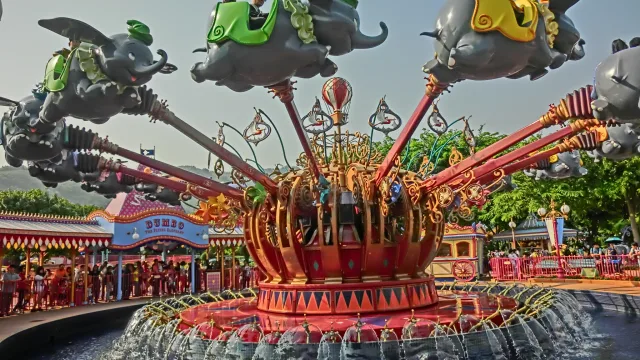
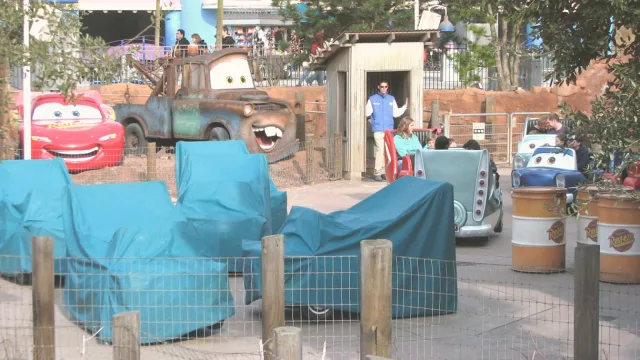
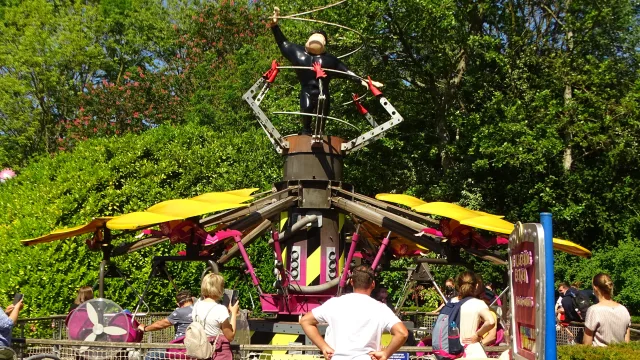
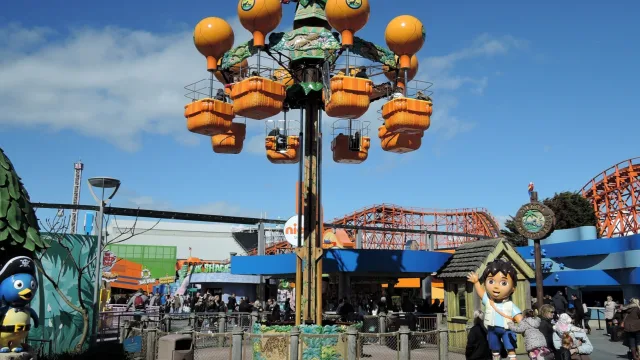
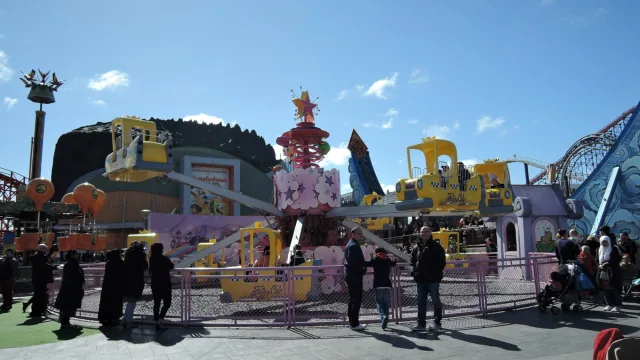
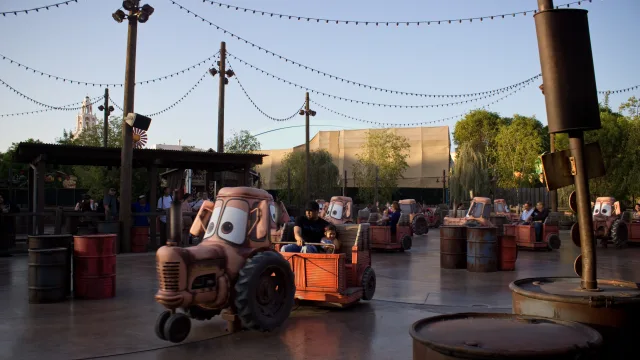
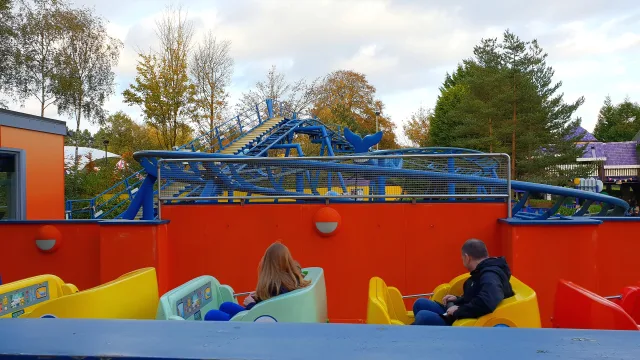
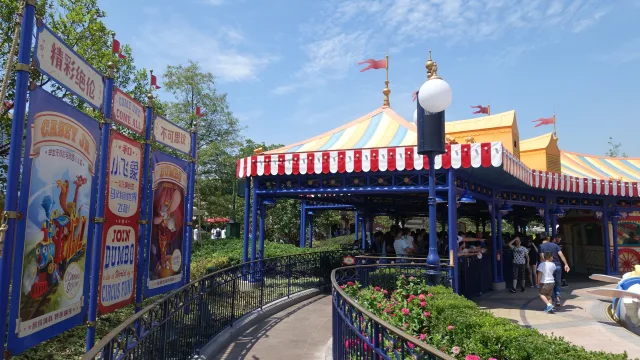
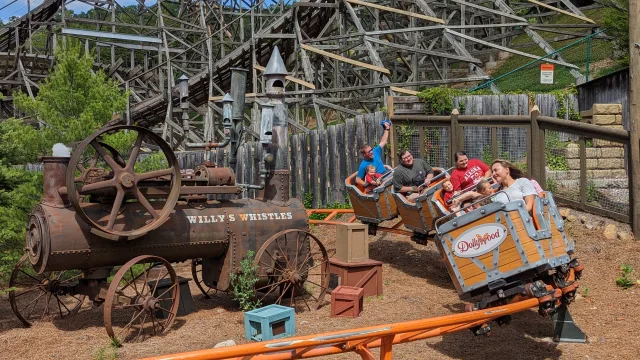
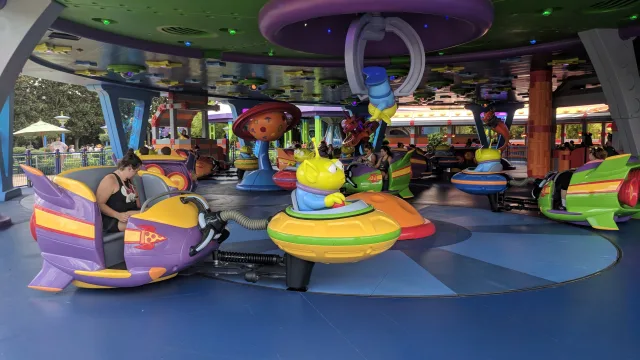
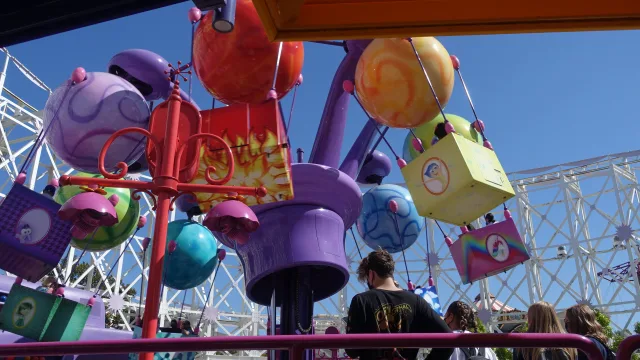
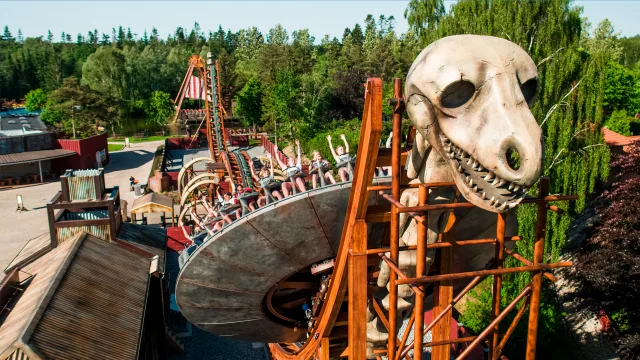
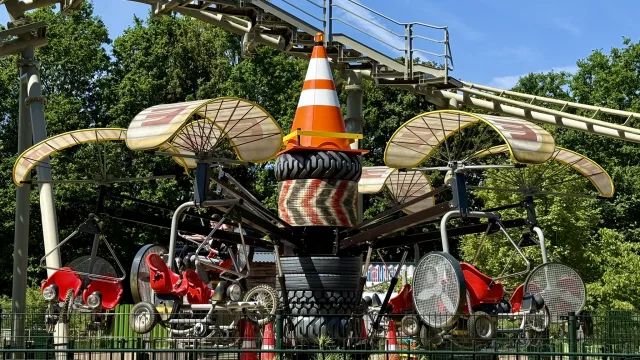
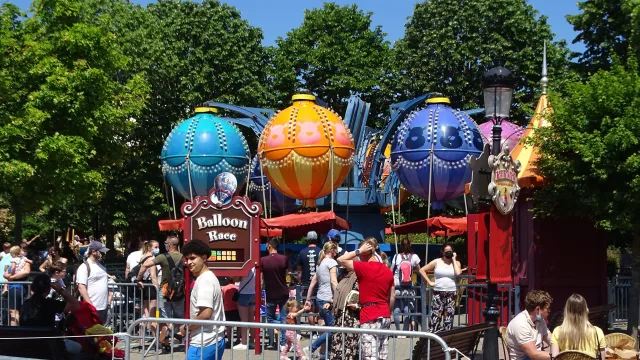
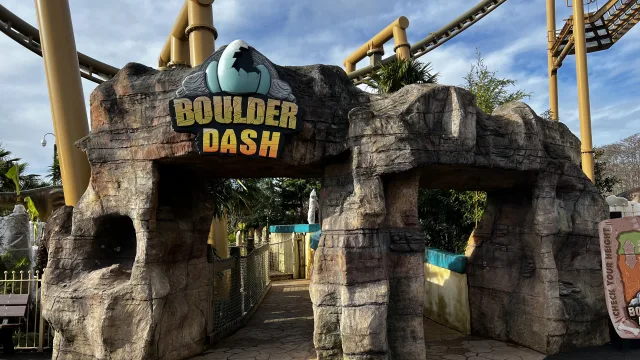
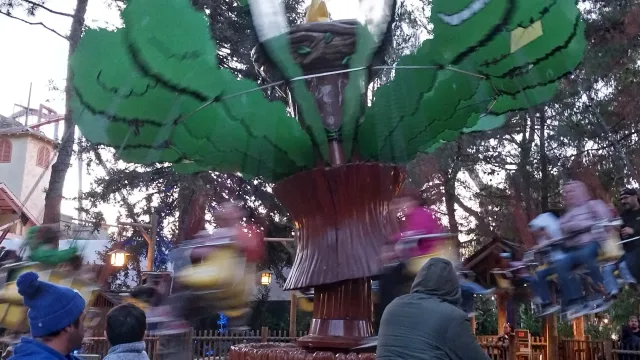
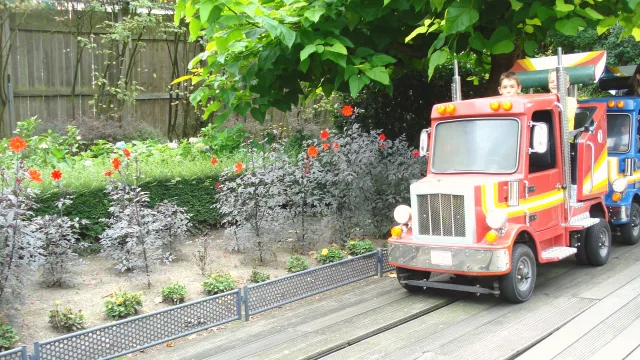
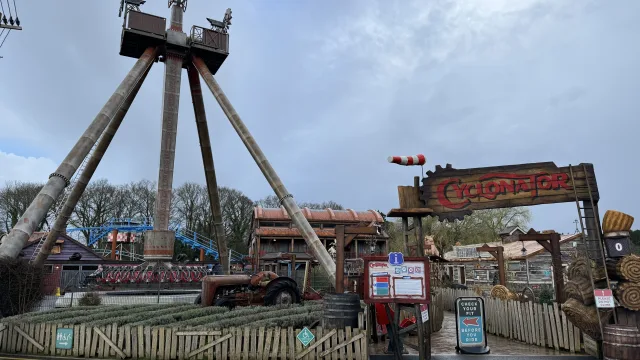
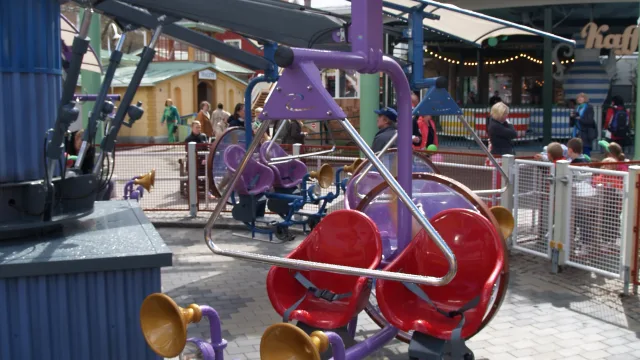
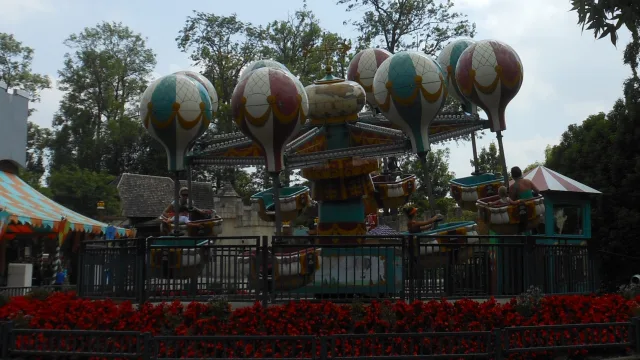
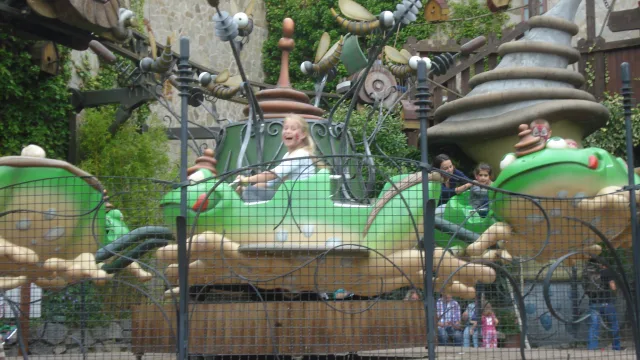
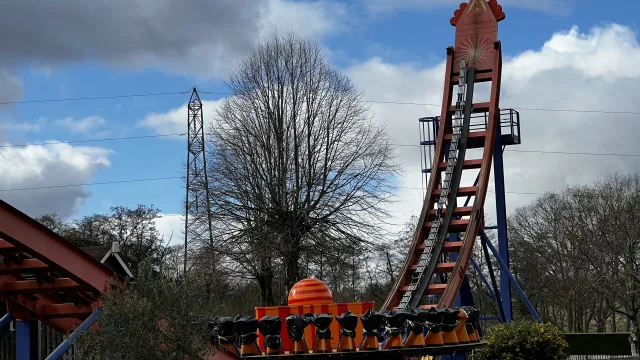
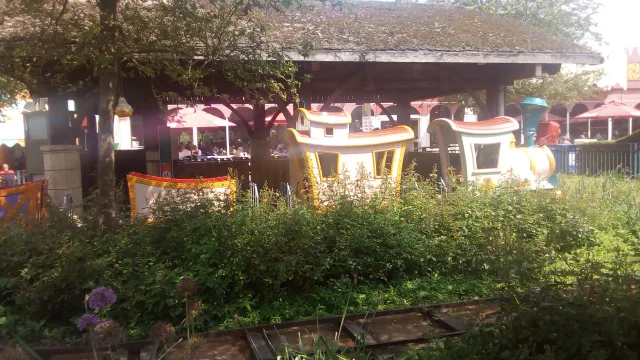
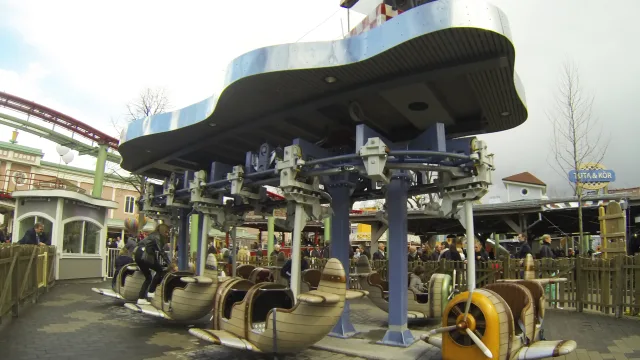
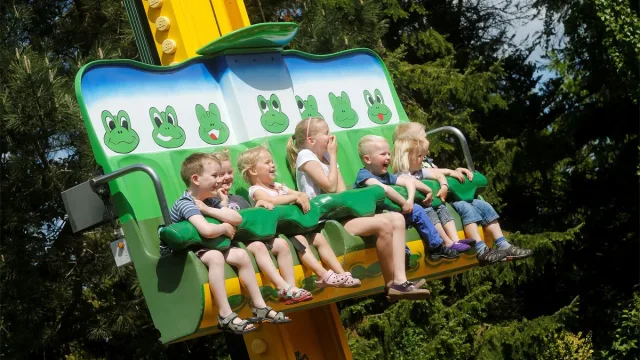
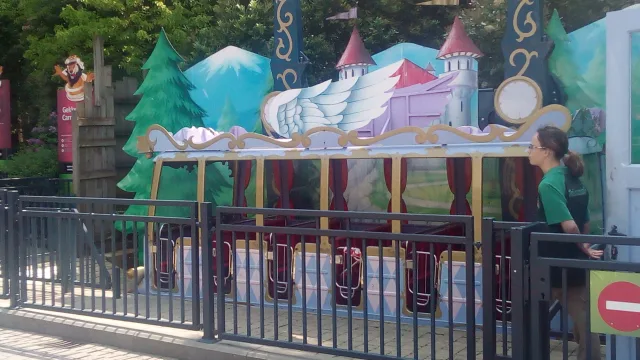
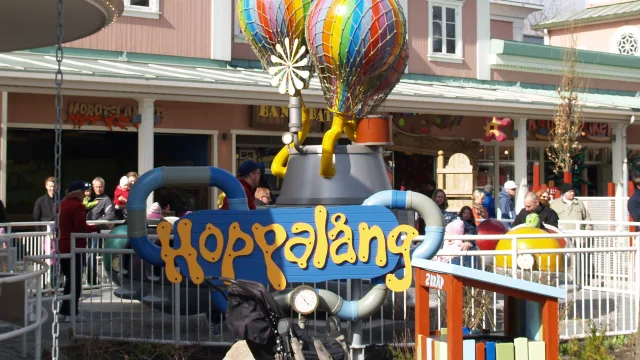
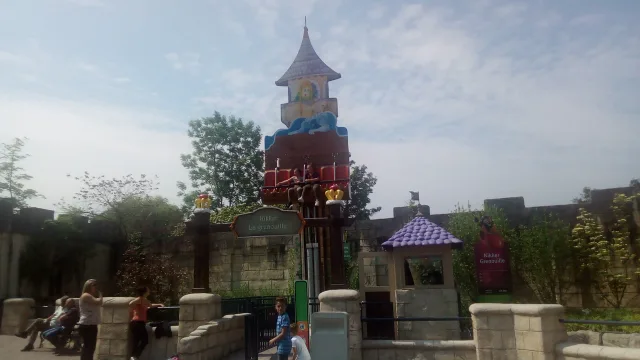
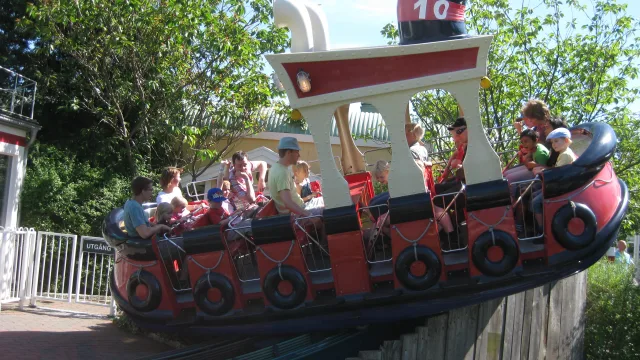
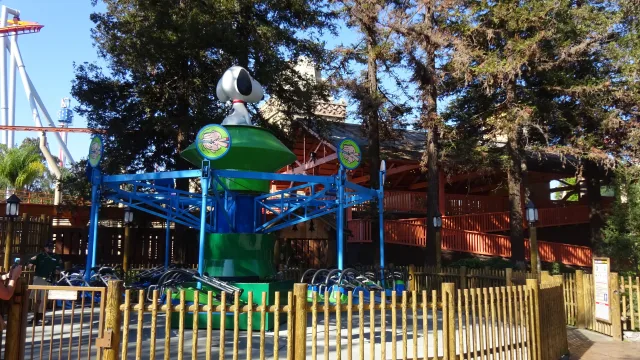
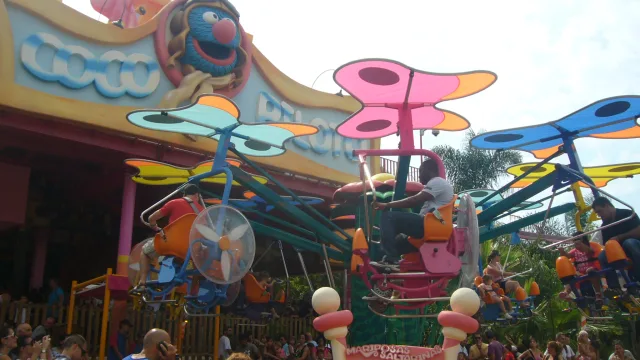
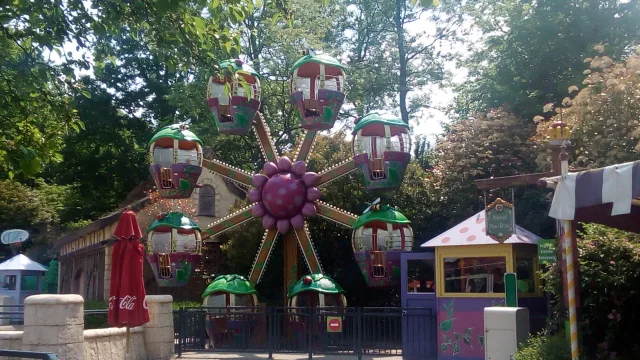
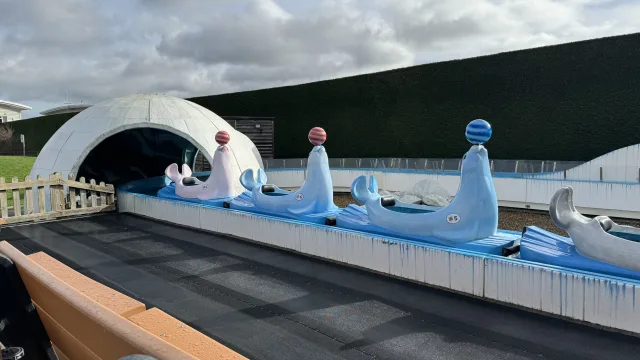
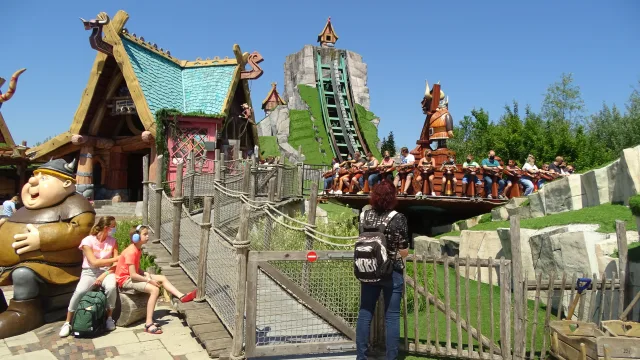
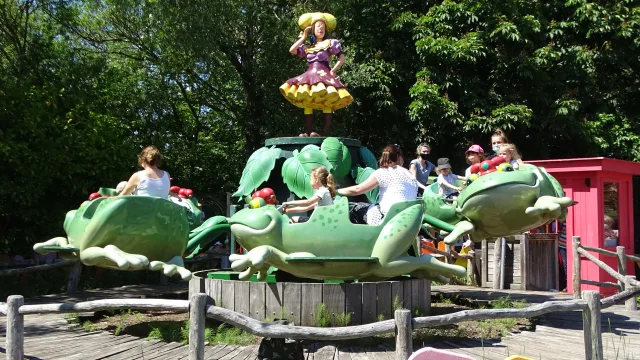
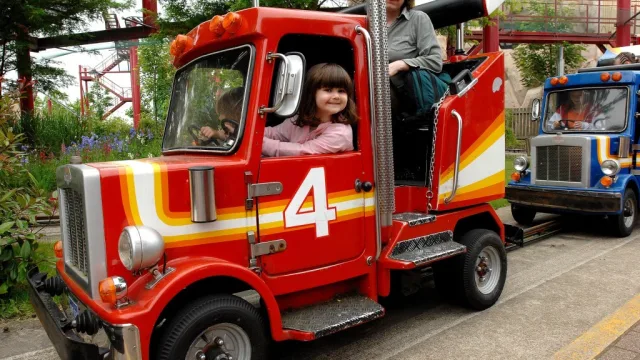
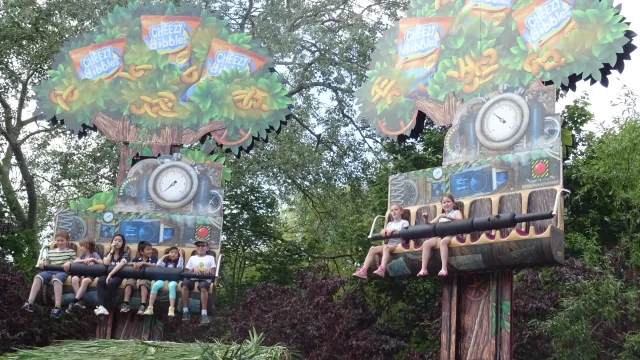
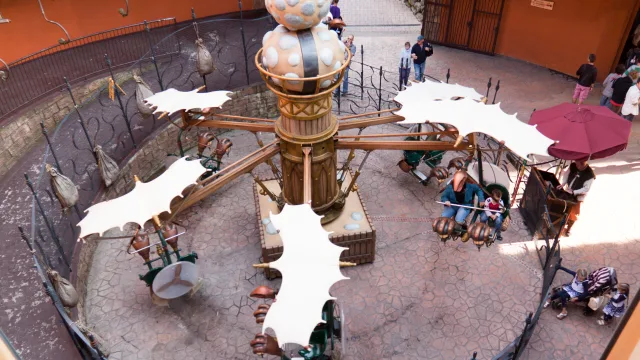
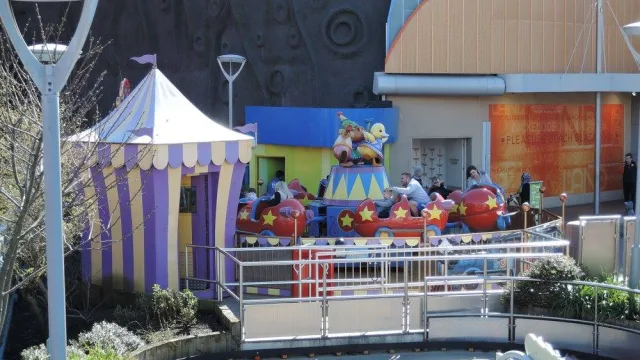
Zamperla is one of the most recognisable Italian names in the modern attractions industry. The company is formally associated with Antonio Zamperla S.p.A. and internationally uses the Zamperla brand. Official company information places its origin in 1966, when Antonio Zamperla moved from traditional fairground experience into ride manufacturing. From Vicenza and later Altavilla Vicentina, the business grew into a family-led manufacturer with a worldwide network of parks, distributors, service partners and commercial offices. Zamperla’s strength is not one single ride type, but the breadth of its portfolio. The company supplies children’s and family rides such as Samba Balloon, Magic Bikes, Jump Around, Rockin’ Tug, Convoy and Mini Jet, as well as water attractions, junior log flumes, Disk’O systems, Air Race, NebulaZ and several coaster families. The official product catalogue shows how Zamperla organises its range around audiences: kiddie, family, family thrill, thrill and roller coasters. That structure explains why the manufacturer so often appears in themed expansions where a park wants to serve several age groups at once. Within W8baan, this breadth is very visible. Bellewaerde uses Zamperla across children’s and family areas, including Hampi, Rio Do Cacao, Gekke Koets, Dansende Ballonnen and Brazilian Buggies. Toverland has Theekopjes and Jumping Juna. Walibi Holland combines Eat my Dust with Wind Seekers. Disney uses Zamperla technology in recognisable, heavily themed family attractions such as Mater’s Junkyard Jamboree, Alien Swirling Saucers, Inside Out Emotional Whirlwind, Dumbo the Flying Elephant in Asia and Les Tapis Volants in Paris. In British parks, Zamperla appears in Nickelodeon Land, CBeebies Land, Chessington and Alton Towers. Its international reputation was also shaped by Coney Island, where Zamperla, through Central Amusement International, played a major role in the revival of Luna Park, and by prominent coaster projects such as Thunderbolt, MotoCoaster and Junior Coaster installations, the Lightning Launch family and the technical role in Top Thrill 2. Zamperla is therefore at once a catalogue manufacturer, project developer, operating partner and engineering problem-solver. It applies compact mechanics, repeatable platforms and thematic flexibility for parks that need reliable capacity without developing a fully unique ride system every time. This position also explains why Zamperla is attractive to operators with very different risk profiles. A small regional park can buy a recognisable family ride that becomes operational quickly, while a major theme park can place the same mechanical base inside a carefully designed branded world. The manufacturer therefore supplies not only hardware, but also a practical answer to how a park can distribute capacity across young children, families and guests seeking mild thrills. That versatility makes Zamperla relevant in datasets where not only record-breaking coasters, but all visitor flows of a park matter.
History
Zamperla’s history officially begins in 1966, but the company identity is older than that date suggests. The family came from the Italian travelling fairground world, where transportability, robustness and fast assembly were essential. Antonio Zamperla turned that experience into an industrial manufacturer of mechanical attractions. In the first decades the focus was strongly on children’s rides, carousels, small circular rides and compact family products. That was a smart strategic position: many parks wanted affordable, reliable additions for families and young children, and not every expansion required a major roller coaster. From northern Italy, Zamperla gradually built an export position. Growth accelerated when theme parks, regional parks and indoor centres around the world began developing complete children’s areas. Zamperla supplied not only individual rides, but also clusters of attractions with shared dimensions, maintenance logic and theming possibilities. In the 1990s and 2000s the portfolio moved toward more spectacular family systems, including Disk’O, Magic Bikes, Air Race and several coaster types. The business remained family-led, with Alberto Zamperla becoming an important second-generation figure in international expansion. A turning point outside the factory was Coney Island. Through Central Amusement International, Zamperla became involved in the redevelopment and operation of Luna Park, which made the company not only a supplier but also an operating partner. Thunderbolt in 2014 gave that presence a visible coaster icon. In the following years Zamperla continued to invest in product development, service and larger projects. Official communication around Top Thrill 2 emphasised Zamperla’s role in new trains, propulsion and technical modernisation. More recent projects such as Double Heart, Lightning Launch systems and new park areas show that Zamperla still seeks the combination of repeatable design and project-specific experience. In 2026 the company marks its sixtieth anniversary, with continuity, family ownership and international market position at the centre of its story.
Innovation and technology
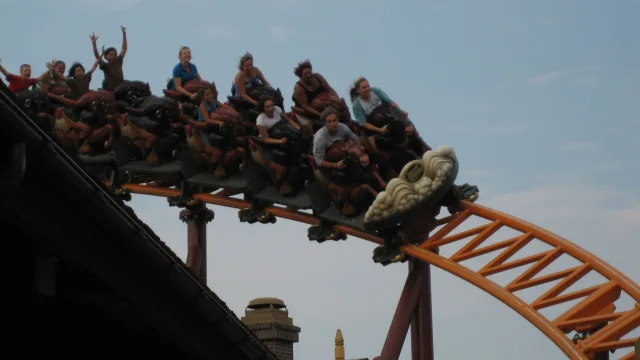
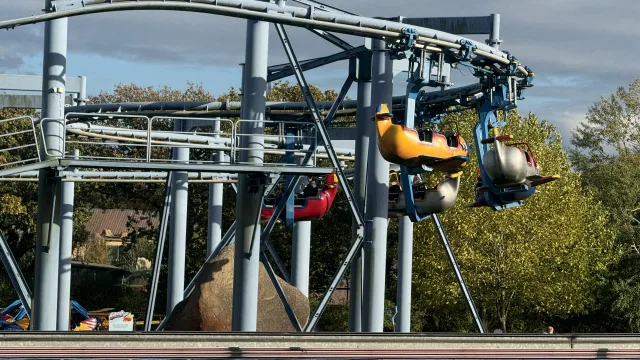
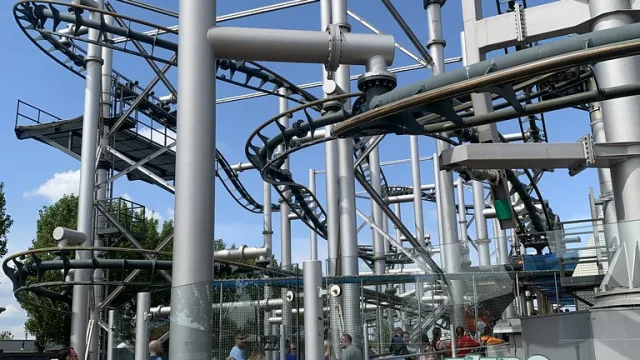
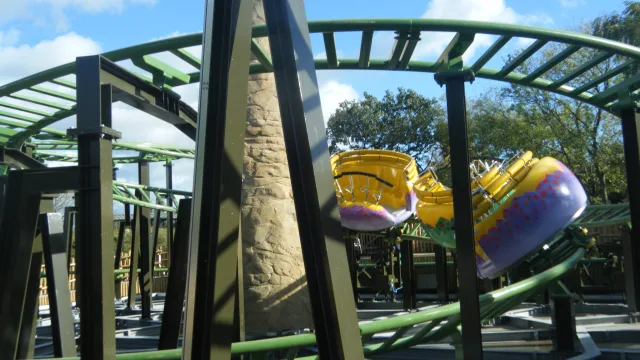
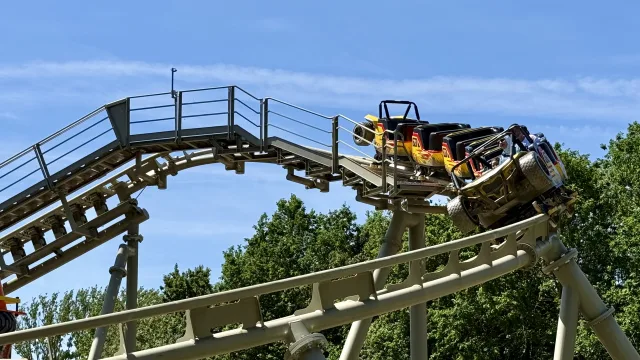
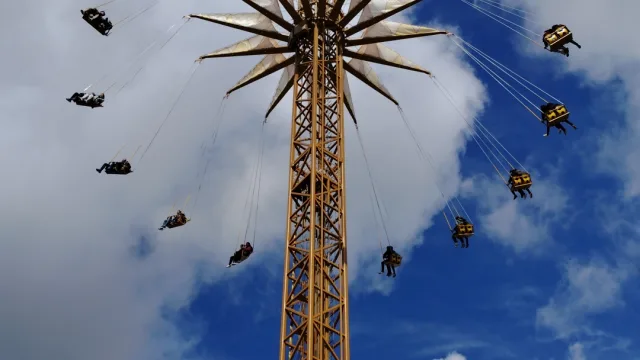
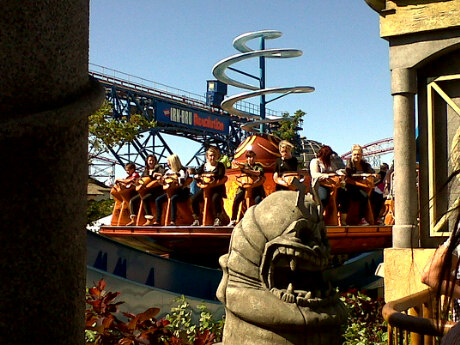
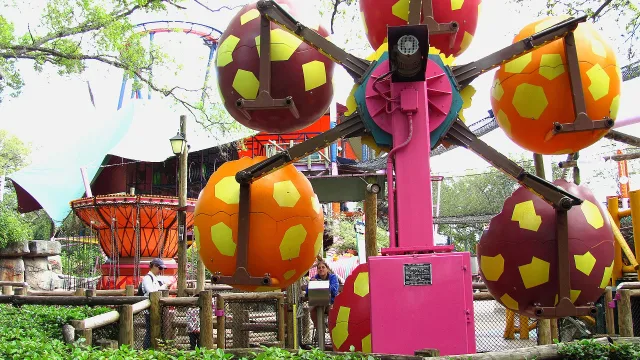
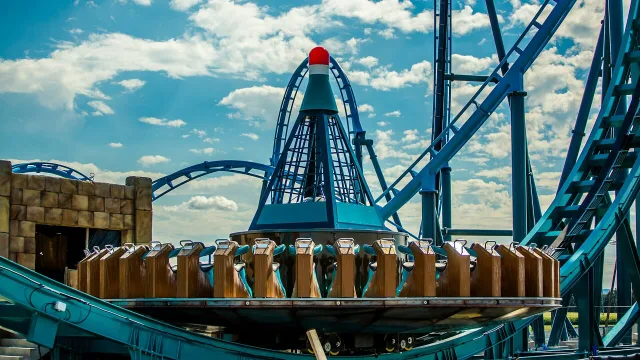
Technically, Zamperla works mainly with modular ride platforms that can be adapted to many park environments. A Samba Balloon, Magic Bikes, Jump Around or Rockin’ Tug has a recognisable mechanical core, but can change strongly through vehicles, decoration and colour. This approach reduces development risk and makes maintenance more predictable, while parks still receive a product with its own theme. In family rides, Zamperla often uses moderate speeds, enclosed or semi-enclosed vehicles, intuitive boarding, visible movement and high repeatability. In thrill rides the emphasis shifts toward dynamics: Disk’O combines a rotating seat circle with a curved track, Air Race uses continuous rotation around arms, NebulaZ crosses several arms in a sculptural motion and Watermania adds interactive water action. The coaster technology ranges from simple gravity and junior coasters to launched systems. Official product information presents the Lightning Launch family and family-thrill coasters as examples of compact layouts, launch experience and scalability. With Top Thrill 2, Zamperla was publicly linked to new trains, propulsion and modernisation of an extreme existing installation. Such a project requires different engineering from a catalogue ride: interfaces with an existing track, higher speeds, new controls, testing programmes and operational reliability have to meet. Zamperla’s technical philosophy is therefore platform-based but not static. The company reuses proven building blocks, adapts them to capacity and audience, and builds project-specific solutions where needed around launch, vehicle form, access control, theming and service. Accessibility is also part of the technical picture. Zamperla’s official accessibility information shows attention to boarding, restraint position, operating procedures and communication with parks, so engineering includes the full guest cycle, not only motion.
Industry impact
Zamperla’s impact lies in making compact, repeatable attractions normal building blocks of modern parks. Not every park area is carried by a megacoaster; often the public value comes from five or six reliable family rides that together create capacity, distribution and a thematic base layer. Zamperla made precisely that segment internationally scalable. As a result, the manufacturer appears in local children’s lands, major Disney areas, regional European parks, American family zones and urban redevelopment projects. The influence is also visible at Coney Island, where Zamperla did not only deliver machines but helped operate and reposition Luna Park. That connected European ride engineering with urban renewal and heritage. At the other end of the spectrum, Top Thrill 2 showed that Zamperla is willing to play a role in highly visible technical modernisation, even when a project is operationally sensitive. For the industry, Zamperla is therefore a bridge between fairground logic and theme park logic. The company offers products that are easy for guests to understand, economically manageable for operators and flexible enough for brands, IP areas and children’s experiences. That combination makes the manufacturer more important than individual record figures suggest. For W8baan, that everyday influence is especially important: Zamperla fills the space between children’s area, family route, IP ride and compact coaster.
Current operations
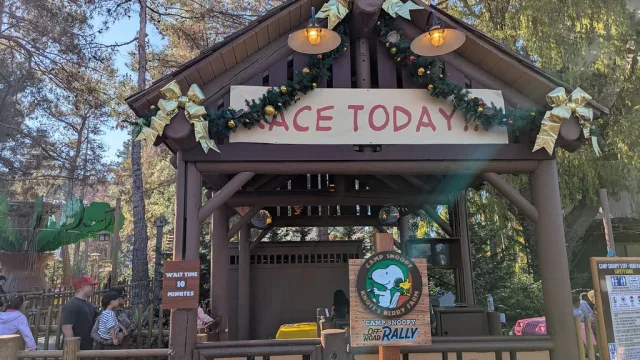
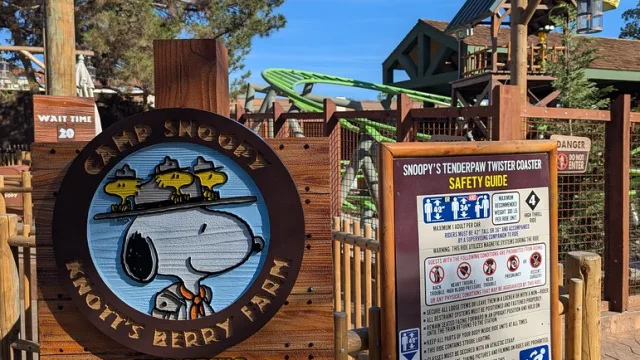
Zamperla remains active as an international manufacturer and service organisation. Its headquarters are in Altavilla Vicentina, while the group works through commercial and operational structures in several markets. Official communication refers to about 450 employees and a worldwide presence with thousands of installations. Current activities include production of new catalogue and custom rides, delivery of coaster projects, renovation or modernisation of existing installations, spare parts, service and project development. Product communication in 2025 and 2026 emphasises new coaster families, Double Heart, Lightning Launch, children’s areas and the company’s sixtieth anniversary. Zamperla also operates through Central Amusement International in the context of Luna Park at Coney Island. Within W8baan, the current footprint is large: more than fifty active linked attractions, with visibility at Bellewaerde, Toverland, Walibi Holland, Chessington, Disney parks, Busch Gardens, Plopsaland, Alton Towers and Knott’s Berry Farm. That makes Zamperla one of the most widely represented manufacturers in the dataset.
Design philosophy
Zamperla’s design philosophy is pragmatic and audience-oriented. A ride should be quickly readable for guests, economically workable for the park and open enough to fit different stories. Many Zamperla attractions are therefore based on clear movements: rotating, rocking, rising, launching, circulating or spraying interactively. Those movements are easy to understand, but can feel very different through vehicles, music, decoration and intellectual property. For children’s and family rides this means low thresholds, visible operation, reassuring scale and a ride duration that supports repeatable capacity. For thrill products, Zamperla looks for a strong visual signature, such as the circle of Disk’O, the arms of Air Race or the sculptural motion of NebulaZ. In coaster projects the philosophy lies in compact layouts, scalable intensity and recognisable moments such as a launch, helix, airtime hill or interaction with scenery. The common thread is not pure extremity, but usefulness: an attraction must fit budget, footprint, maintenance team, queue logic and themed environment.