Company profile
Gerstlauer Amusement Rides GmbH is one of the most versatile German ride manufacturers in the modern amusement industry. The company is based in Münsterhausen, Bavaria, and presents itself as a full-service partner for the planning, design, manufacture and commissioning of roller coasters and amusement rides. That position is notable because Gerstlauer did not begin as a traditional roller coaster builder. Hubert Gerstlauer founded Gerstlauer Elektro GmbH in 1982 in Edelstetten, close to Münsterhausen, with a focus on control systems, lighting and pneumatic systems for amusement rides. From the beginning, the company's technical culture was therefore closely tied to controls, safety and integration.
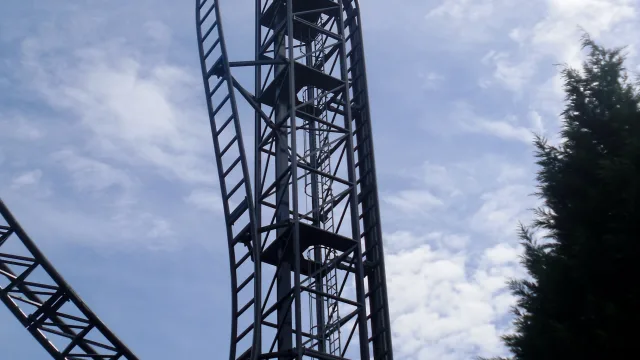
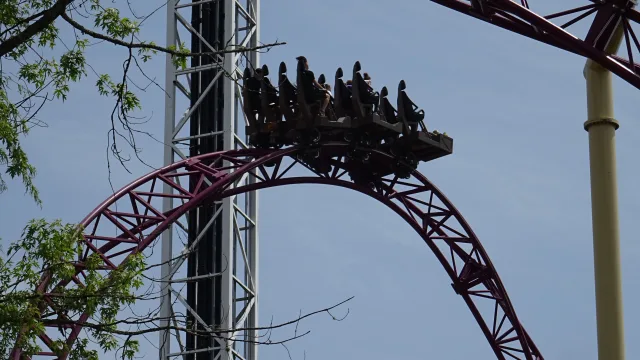
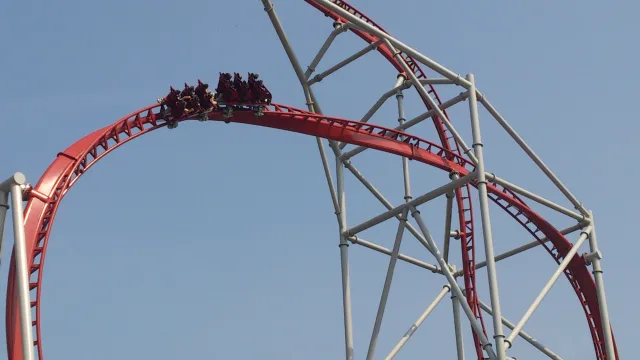
The breakthrough into its own ride production followed the takeover of former Schwarzkopf facilities in 1991/1992 and the move to Münsterhausen. Gerstlauer did not simply inherit designs, but it gained an industrial environment in which track fabrication, vehicles and ride mechanics could be developed. In 1997 the company presented a transportable giant wheel, and in 1998 its first own roller coaster, G'sengte Sau, opened at Erlebnispark Tripsdrill. From 2003 onward, Gerstlauer became internationally recognizable through the Euro-Fighter, a compact coaster type with a vertical lift tower, small footprint and beyond-vertical drops. The later Infinity Coaster broadened that formula with launches, switch tracks, rotating platforms, larger trains and more flexible layouts.
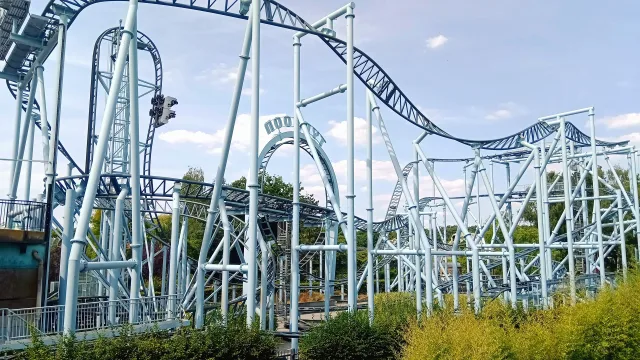
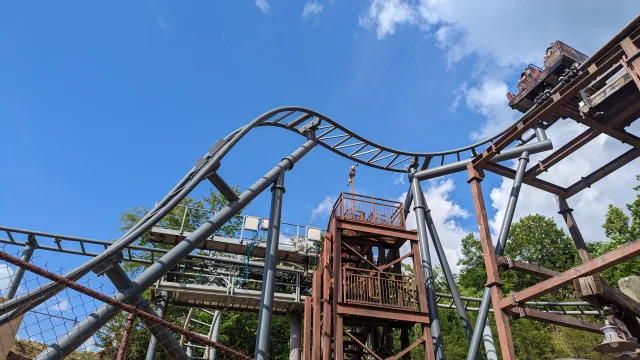
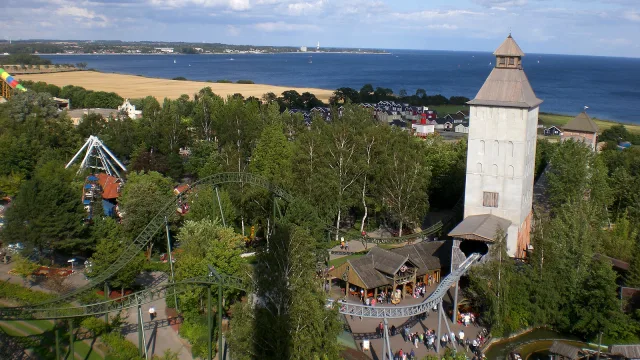
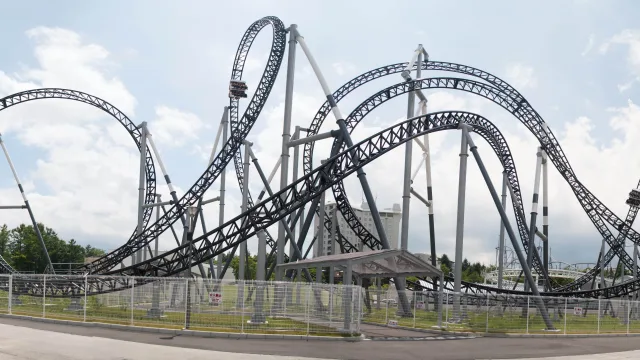
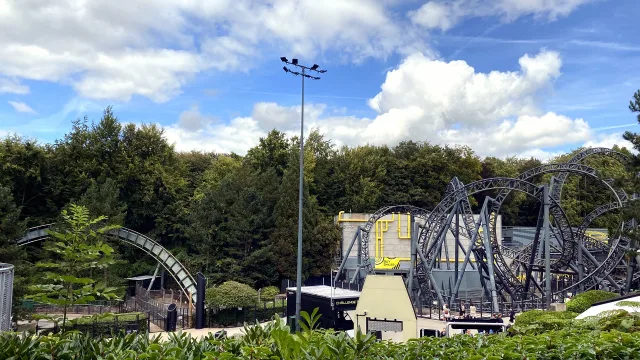
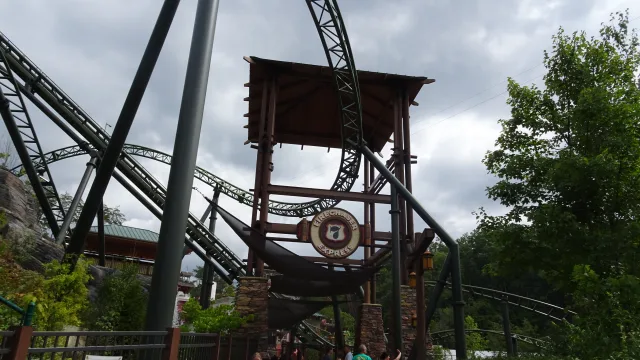
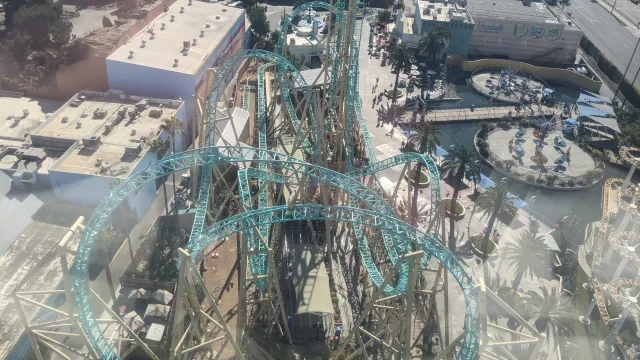
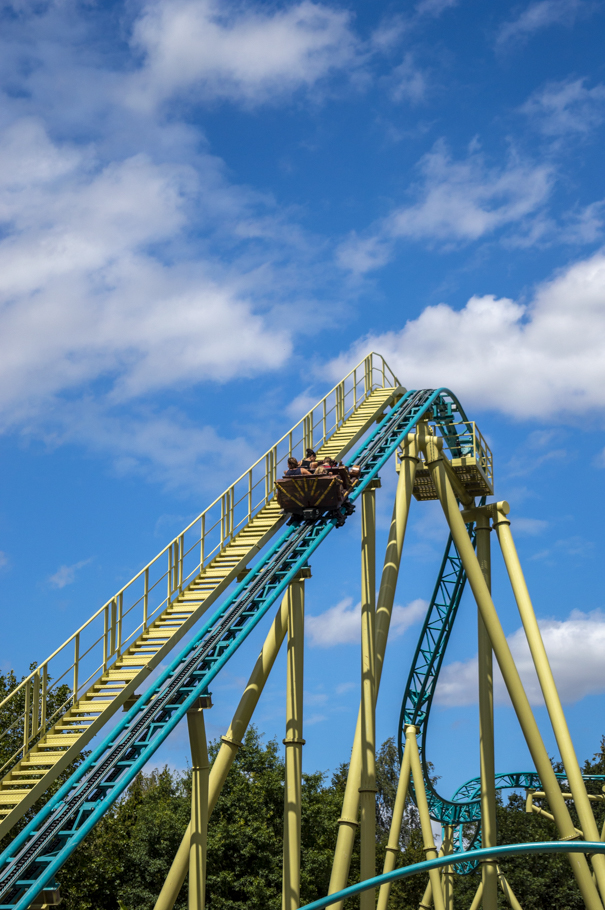
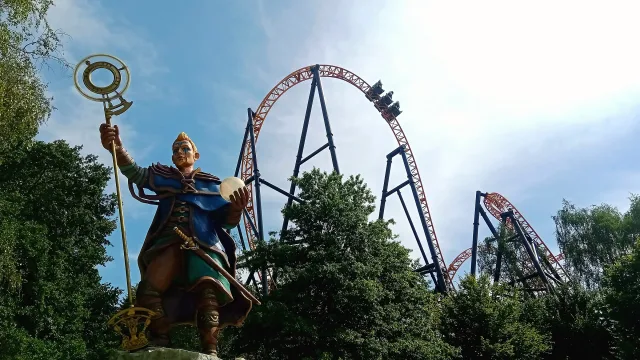
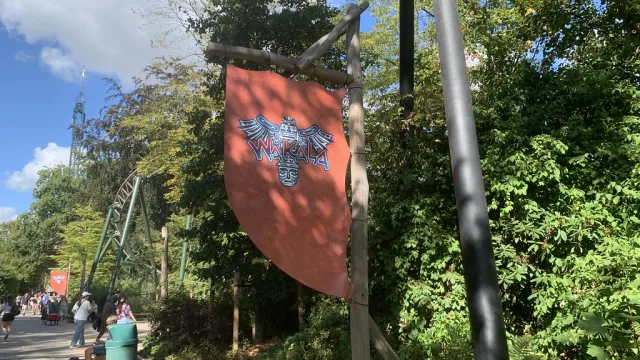
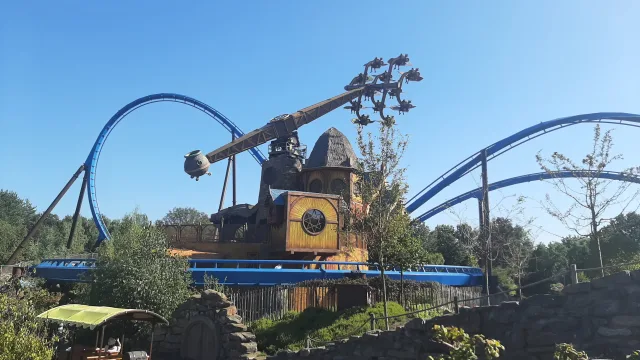
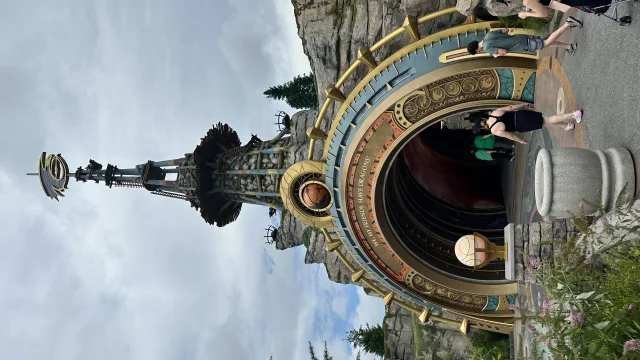
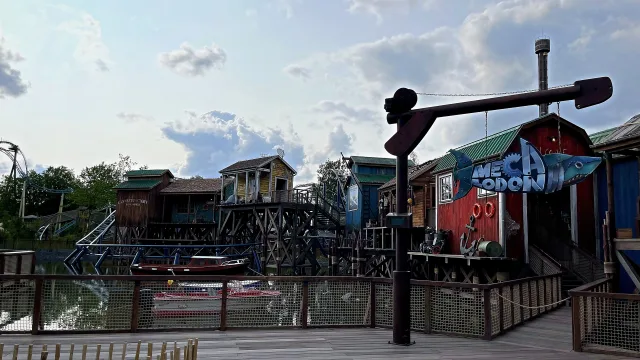
Gerstlauer is therefore strong in projects where space, customization and visual intensity meet. The Smiler at Alton Towers became a globally known example of an Infinity Coaster with an extreme number of inversions. Takabisha at Fuji-Q Highland used the Euro-Fighter principle for a record-breaking drop. Fury at Bobbejaanland uses a compact triple-launch layout with backward and forward passages. Pégase Express, Wakala, 100% Wolf and Cornwall Coaster show that the manufacturer can also create family-friendly switch-track and shuttle experiences. Beyond coasters, Gerstlauer developed interactive flat rides such as Sky Fly, Sky Roller and Sky Racer, where passengers influence the intensity of their own flight.
Within W8baan, Gerstlauer appears across a broad group of European and international parks: Bobbejaanland, Bellewaerde, Parc Asterix, Alton Towers, Fuji-Q Highland, Toverland, Hansa-Park and LEGOLAND Deutschland. That spread underlines the company's market position: Gerstlauer is not the manufacturer of one single icon, but of a flexible technical toolkit for parks that need to translate a story, site constraint or capacity question into a distinctive ride. This combination explains why Gerstlauer appears both in family areas and in headline thrill projects. The manufacturer can do more than make a ride smaller or larger; it can change the ride logic itself, using forward motion, backward passages, launches, lifts, switches or controlled rotation. For parks with complex sites, that flexibility is often more valuable than a fixed catalogue.
History
Gerstlauer's history begins in 1982, when Hubert Gerstlauer founded Gerstlauer Elektro GmbH in Edelstetten. The young company supplied control systems, lighting and pneumatic installations for amusement rides. That background matters because many later Gerstlauer products are characterized by complex control, multiple motion modes and strong integration between vehicle, track and safety system. In its first phase, the company was therefore more a specialist supplier than an end manufacturer.
In 1991/1992 Gerstlauer took over former Schwarzkopf production facilities and moved to Münsterhausen. This gave the company access to a tradition of German roller coaster fabrication, but it gradually developed its own identity. In 1997 Gerstlauer presented a transportable giant wheel, and in 1998 G'sengte Sau at Erlebnispark Tripsdrill became the first roller coaster built by Gerstlauer under its own direction. That ride already showed a theme that would return later: compact, agile and suitable for parks seeking a unique ride within limited space.
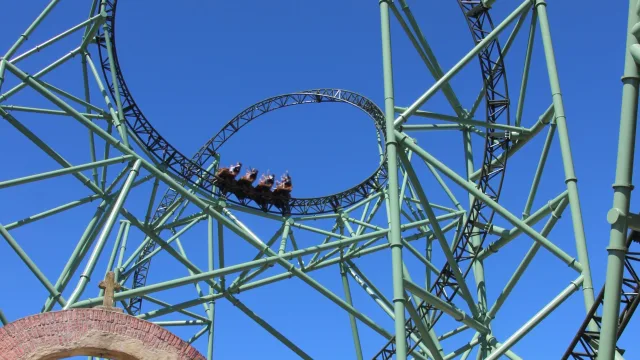
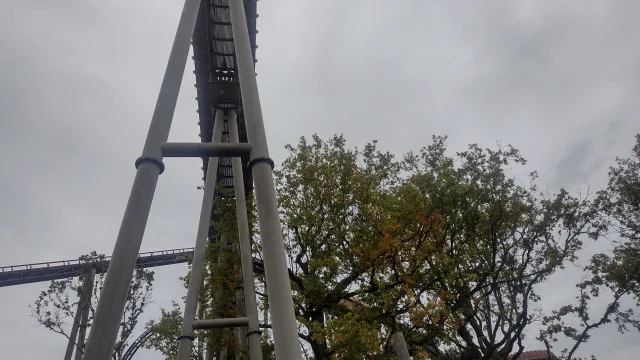
International growth accelerated in the 2000s. The Euro-Fighter, introduced from 2003, gave Gerstlauer a recognizable niche: very compact thrill coasters with vertical lift towers and beyond-vertical drops. Typhoon at Bobbejaanland and Vild-Svinet at BonBon-Land made the type visible in Europe; later installations followed in the United States, Asia and other markets. The company then broadened its portfolio with spinning coasters, family coasters, bobsled coasters, junior coasters and trains for wooden roller coasters.
In 2007 the name Gerstlauer Elektro GmbH was changed to Gerstlauer Amusement Rides GmbH, better matching its role as a complete ride manufacturer. The following years brought Infinity Coasters and interactive Sky Fly systems. The Smiler, Takabisha, Monster, Karnan, Fury and Pégase Express show how the company can combine custom layouts, record elements and family-friendly systems. Official history and product information show Gerstlauer's development from electrical specialist to internationally active manufacturer, without losing its emphasis on controls, redundancy and maintenance-friendly design.
Innovation and technology
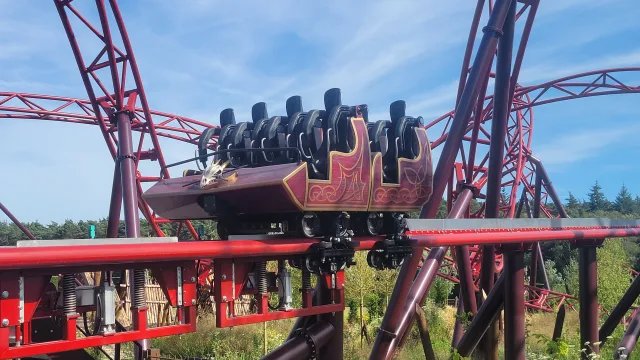
Gerstlauer's technical strength lies in compact, tightly controlled systems. The Euro-Fighter uses short trains, very tight vertical and horizontal turns and a vertical lift tower to concentrate major thrills on a small footprint. The Infinity Coaster expands that platform with longer trains, launches, switch tracks, rotating platforms and layouts that can be fully adapted to each park. This lets Gerstlauer build record machines as well as family-friendly custom coasters without imposing a single fixed form.
Safety and control play a central role in the product philosophy. Official information emphasizes redundant, fault-tolerant design, Design Risk Assessment, standards such as EN 13814, ASTM F2291 and AS 3533, external certification and extensive factory pre-assembly and testing. That fits the company's origins in electrical engineering and pneumatics. Gerstlauer designs not only track and vehicles, but also the logic by which brakes, switches, lifts, launches, restraints and evacuation procedures function as one system.
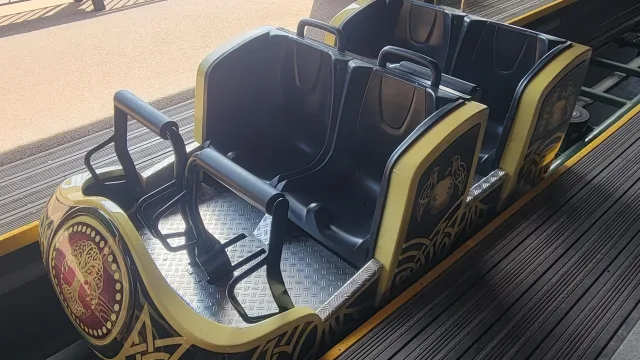
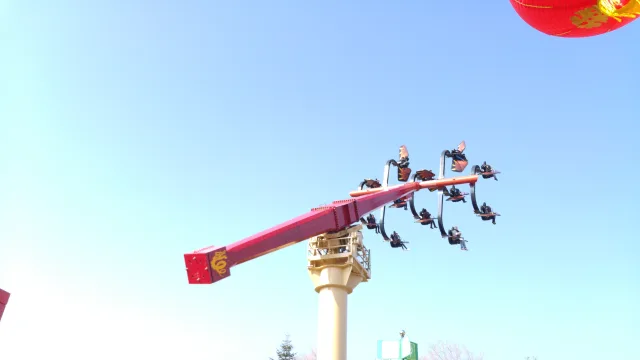
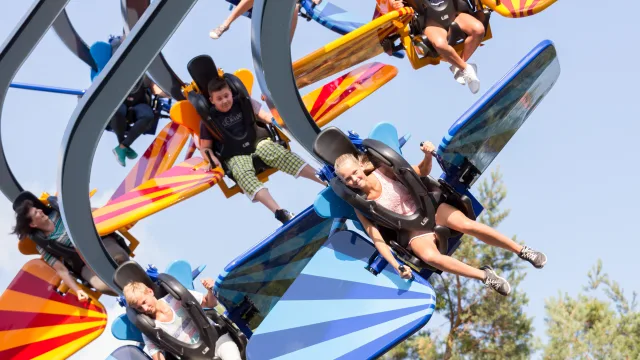
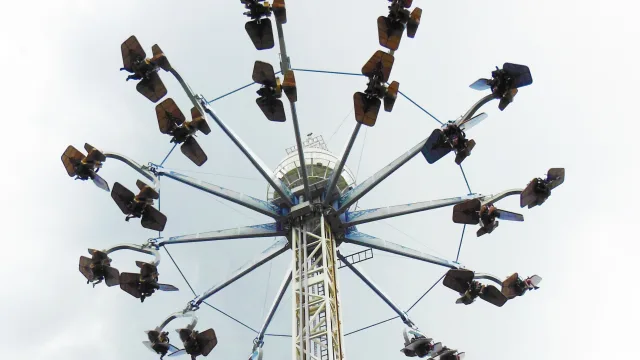
In flat rides, interaction is a key distinguishing feature. Sky Fly, Sky Roller and Sky Racer use individual wings or seats that let passengers influence roll and intensity themselves. The attraction therefore becomes not just a cycle started by the operator, but a variable experience in which skill, courage and repeat riding matter. At the same time, Gerstlauer offers theming options, LED lighting, modern PLC systems, automatic restraints and maintenance-friendly access points.
This technical background explains why Gerstlauer is often chosen for projects with complex constraints. A park may have a narrow site, an existing themed facade, a strict noise limit or a specific capacity requirement; Gerstlauer translates that into vehicle choice, track geometry and control architecture. That flexibility is central to its reputation.
Industry impact
Gerstlauer has influenced the attractions industry mainly by making compact custom roller coasters accessible to parks that do not have the space or budget for mega coasters. The Euro-Fighter showed that a vertical lift, a beyond-vertical drop and multiple inversions could fit into a small plot. This gave regional parks a recognizable thrill product that felt large without requiring hundreds of meters of land.
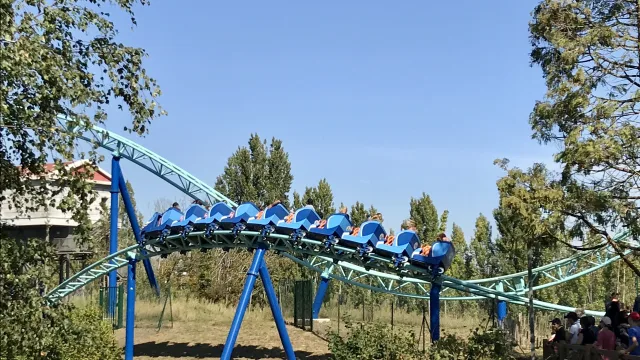
With the Infinity Coaster, Gerstlauer moved further toward fully custom design. The Smiler became known for its inversion record, Takabisha for its steep drop and Fury for an intense launch concept on a relatively small footprint. At the same time, the impact is not only thrill-driven. Family Coasters with switch tracks, bobsled-like layouts and shuttle elements help parks serve a broad audience. Pégase Express and Wakala show that storytelling, capacity and mild thrill can work together in one compact system.
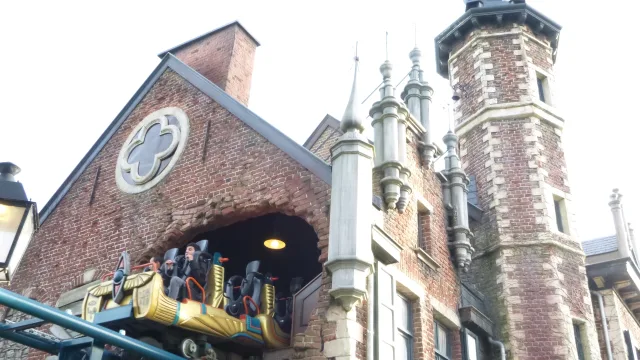
The Sky Fly family also influenced thinking about interactive flat rides. Passengers are not merely transported guests, but participants who determine their own intensity. This combination of control, customization and compact engineering has given Gerstlauer a strong position alongside larger coaster manufacturers. This also mattered for theme parks with strong narratives: a Gerstlauer coaster can use custom vehicles, tunnels, indoor sections and switches to follow a story structure rather than only a classic out-and-back route.
Current operations
Gerstlauer Amusement Rides GmbH operates from Industriestrasse 17 in Münsterhausen, Germany. The official website describes the company as family-owned and as a full-service partner for planning, design, manufacture and commissioning. Its portfolio includes roller coasters, flat rides, giant wheels and other products and services such as roller coaster trains, transport systems, Slide Wheel and control systems. The company also publishes references, news and awards for recent projects.
Current activities include custom design, track and vehicle engineering, controls, production, pre-assembly, factory testing, worldwide certification and after-sales support over the full life cycle. The product families remain broad: Euro-Fighter, Infinity Coaster, Family Coaster, Bobsled Coaster, Spinning Coaster, Family Suspended Coaster, Sky Fly, Sky Roller and Sky Racer. Recent projects in 2025 and 2026 show that Gerstlauer remains active in thrill coasters, family coasters and interactive rides. As a service partner, Gerstlauer also remains involved with existing installations through upgrades, modifications, spare parts and certification support. This makes the company relevant across the full life cycle of an attraction, not only at delivery.
Design philosophy
Gerstlauer's design philosophy is practical and solution-oriented. The company appears to approach a project not from one standard model, but from the question of which vehicles, track geometry, restraints, capacity and show moments fit a specific location. This means Gerstlauer rides can differ greatly: from a narrow Euro-Fighter in an urban park to a family coaster with a switch track or a Sky Fly where each guest determines their own intensity.
What matters is that Gerstlauer makes tension compact and legible. A vertical lift, switch track or interactive wing is not only technology, but also a dramatic moment visitors can understand. The philosophy combines German engineering with park dramaturgy: safe, maintainable and certifiable, yet surprising in motion and layout. The result is often an attraction that fits exactly where a park needs to bring space, story and target audience together. The best designs therefore do not feel like compromises, but like custom solutions in which constraints actively shape the attraction.