Company profile
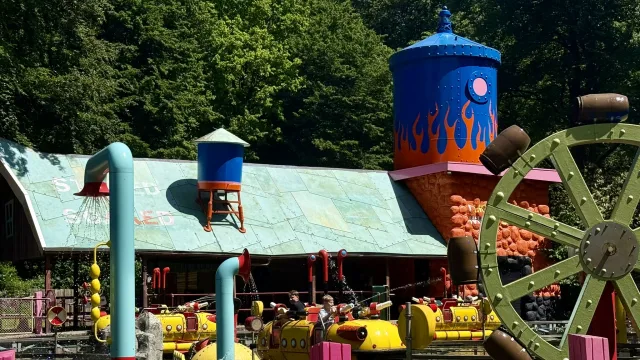
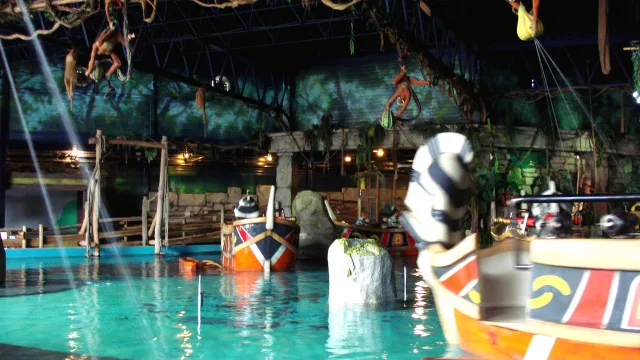
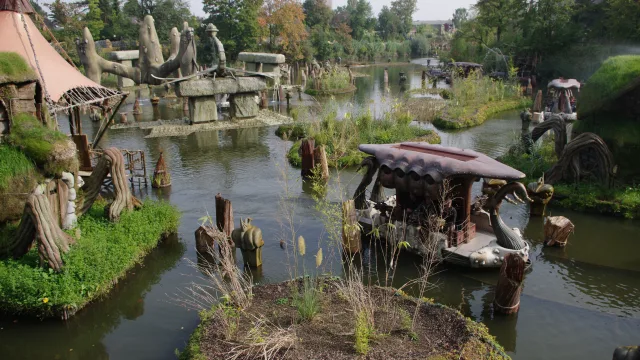
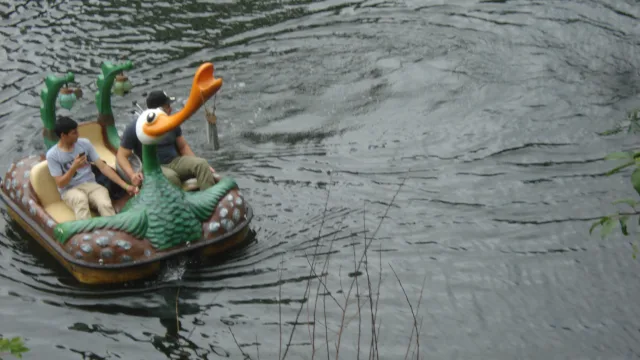
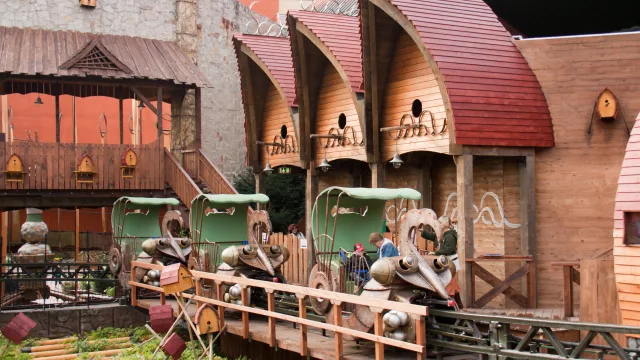
Preston & Barbieri S.r.l. is an Italian manufacturer best known for interactive water attractions, family rides and a broad catalogue for theme parks and midway operators. The company is based in Reggio Emilia, a region with a notable concentration of Italian amusement ride builders. Official information positions Preston & Barbieri as an amusement ride company since 1954, while secondary sources clarify that Barbieri dates back to 1954, Preston was formed in 1986 and the two companies were brought together around 2000. This layered history explains why the company combines older Italian bumper-car and flat-ride traditions with more modern water-ride and coaster engineering in one profile. Within W8baan, Preston & Barbieri is linked to two active attractions: Splash Battle at Walibi Holland and Banana Battle at Bobbejaanland. Both are examples of the product type that made the manufacturer internationally recognisable: a water attraction in which guests sit in boats and use water cannons to hit targets, bystanders or other boats. The concept turns the classic boat ride into a participatory group experience. Instead of passive cruising, the result is a competitive, social attraction in which getting wet is part of the fun. Official product pages describe variants with cable systems, rail guidance, motorised drive units, snub pulleys, water cannons, hydraulic and electronic control and theming options to hide mechanical components. Preston & Barbieri builds more than Splash Battles, however. Its catalogue includes flume rides, rapid rivers, bumper cars, carousels, wave swingers, Musik Express rides, monorails, towers, 4D dark rides, family coasters and Wacky Worm-style coasters. The company therefore operates between family entertainment, water play, compact coaster capacity and classic midway engineering. For parks, the value lies in attractions that combine interaction, capacity and accessible thrill. Preston & Barbieri is not a record-breaking coaster builder in the way some larger European names are, but a practical ridebuilder supplying recognisable product families to international parks. That makes the profile important for W8baan: it shows how medium-sized manufacturers shape much of the everyday family experience in European and global amusement parks. The distinctive character of Preston & Barbieri lies in this combination of catalogue logic and real guest interaction. A Splash Battle is not only a boat route with effects, but a social game that also involves the surrounding area: people on the bank become targets, queues gain show value and a relatively simple course can feel different each time through variation in water battles. This makes the attraction useful for medium-sized parks that do not want to build a large water coaster or dark ride, but do need a summer anchor with clear family appeal. The same philosophy runs through the catalogue: compact, legible, maintainable and adaptable to theme and budget.
History
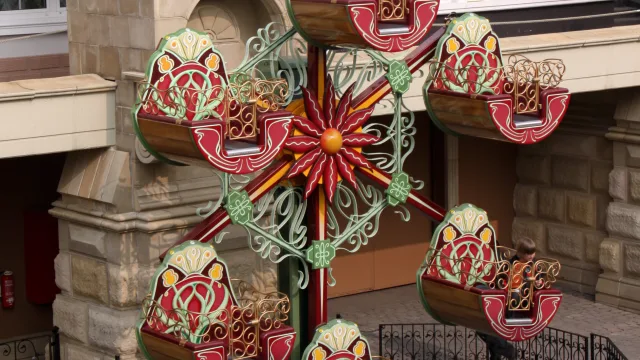
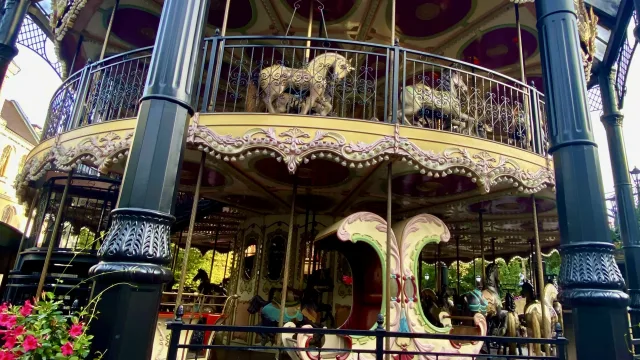
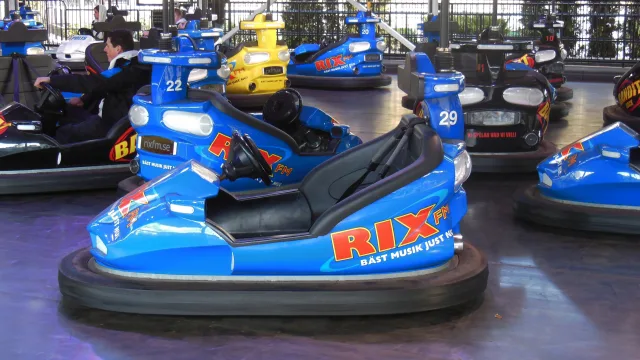
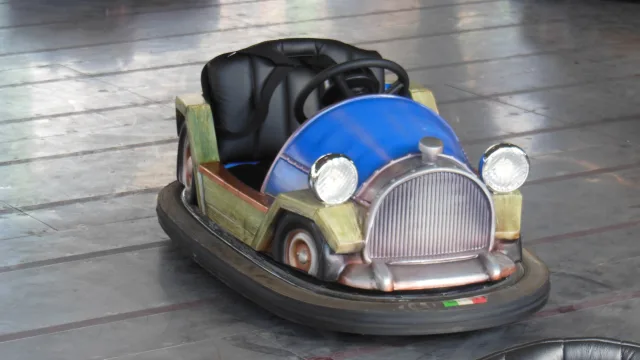
The history of Preston & Barbieri is layered. Official company information gives 1954 as the starting year and describes early production as focused mainly on bumper cars and bumper-car buildings. Secondary sources add detail: Barbieri Rides was founded in Reggio Emilia in 1954, Preston was formed in 1986 by a group of experienced managers and the two companies were merged around 2000 to form Preston & Barbieri. This history fits the wider cluster of Italian ride manufacturing in Emilia-Romagna, where companies such as S.D.C., L&T Systems, Fabbri, Zamperla and other ride builders influenced one another. The early focus on bumper cars and fairground engineering gave the company a base in robust, maintainable and often transportable structures. Over time, the catalogue expanded to kiddie rides, Ferris wheels, Telecombats, Polyps, Rock and Rolls, carousels, coasters, monorails, flume rides and dark ride systems. The strongest international visibility came with Splash Battle. In the early 2000s, this interactive water concept became a recognisable new category: boats with water cannons, often in a themed water course, where guests actively play against each other. Walibi Holland opened Splash Battle in 2005; Bobbejaanland later received Banana Battle. In 2009, secondary sources report that Preston & Barbieri acquired rights or assets from L&T Systems, bringing even more Italian ride history into the company. The manufacturer remained active in international sales through direct representation, product catalogues and partners such as Intermark Ride Group. Its history is therefore not the story of one invention alone, but of continuous expansion: from bumper cars to water rides, from classic fairground attractions to theme park products, and from local Italian expertise to global supply. The regional context is important. Reggio Emilia and Emilia-Romagna formed a network of suppliers, engineers and former employees who shared knowledge about steel structures, electrical drives, fiberglass vehicles and fairground engineering. Preston & Barbieri benefited from that ecosystem and could combine several product lines. The later international spread of Splash Battle made the company more visible than many other medium-sized Italian manufacturers.
Innovation and technology
The technical identity of Preston & Barbieri is strongly connected with interactive water attractions. For Splash Battle Fune, the manufacturer describes a submerged cable system with snub pulleys and an above-water motor unit, allowing boats to move smoothly through the water course while mechanical components can be hidden by theming. In Splash Battle Rail, the technology shifts toward rail guidance, but the goal remains the same: a safe, controllable route in which passengers actively participate with water cannons. The technical challenge is more than boat transport. Water pressure, pump control, hydraulic movements, electronic monitoring, cannon management, drainage, accessibility, capacity and maintenance must work together in an environment where guests intentionally get wet. That requires robust components, safe clearances, reliable control and a design that can handle summer crowds and outdoor use. Preston & Barbieri product pages emphasise ongoing improvement of hydraulic and electronic systems and thematic adaptation to different park environments. The wider catalogue shows that the company also masters classic mechanical disciplines: bumper cars require electrical infrastructure and floor or battery systems; family coasters require track fabrication, train design and braking; flume rides and rapid rivers require water engineering, lifts and controlled flow; dark ride systems require vehicles and route management in show environments. The technology is therefore modular and pragmatic. The company does not offer one extreme record product, but repeatable systems that parks can theme, maintain and operate. In the W8baan context, Splash Battle is especially relevant: the attraction type made water interaction the core mechanism and influenced later European water rides.
Industry impact
Preston & Barbieri’s influence lies mainly in making interactive water attractions accessible to family parks. Splash Battle gave parks a way to build a water ride without relying only on a large drop or passive boat journey. The visitor became a player. That makes the product useful for parks seeking social interaction, repeatability and summer capacity. Walibi Holland was an early European example with Splash Battle; Bobbejaanland followed with Banana Battle. Story Land in the United States and other parks used variations of the same principle. The impact is not only technical, but also programmatic: a Splash Battle involves guests on the sidelines, children in the boats and groups who want to challenge one another. The product makes an area feel more alive than a traditional water course. Preston & Barbieri also shows how the Italian mid-sized ride industry continues to have global influence. Companies from Reggio Emilia and the surrounding region do not always deliver the largest headline rides, but they supply many family attractions that enable capacity, seasonal fun and low barriers to participation. The catalogue of bumper cars, Wacky Worms, family coasters, flumes and dark ride systems shows that classic and modern ride forms continue to exist side by side.
Current operations
Preston & Barbieri operates from Via Cocchi 19 in Reggio Emilia. The official website presents a broad current offer of water rides, bumper cars, roller coasters, kiddie rides, thrill rides, 4D dark rides, towers, monorails and themed custom rides. LinkedIn lists a factory site of about 20,000 square metres, with 12,000 square metres covered, plus nearby branches for FRP plastic and electrical components under control of the company’s engineering staff. The current market position is that of an international catalogue manufacturer with custom capability. Product pages emphasise technical data, galleries, product history and related ride families. Partners such as Intermark Ride Group position Preston & Barbieri as one of the larger worldwide suppliers of carousels, coasters and family rides. Support for existing attractions matters because water rides and bumper cars require intensive maintenance, component replacement and seasonal checks. The manufacturer therefore remains relevant for parks that want to add interactive family capacity without a major coaster investment.
Design philosophy
The design philosophy of Preston & Barbieri is practical, interactive and park-oriented. The company does not appear to start from one extreme technical claim, but from products that operators can fit into existing areas. A Splash Battle must be accessible for families, legible from walkways, high in summer play value and capable enough to keep an area lively. A family coaster must be compact, recognisable and maintainable. Bumper cars and flat rides must remain robust, repeatable and attractively priced. Thematic flexibility plays a major role. Product pages emphasise that mechanics can be hidden and that installations can be adapted to different settings. The same base concept can therefore function as a jungle trip, pirate battle, cartoon world or neutral water fight. The philosophy is neither purely artistic nor purely mechanical; it lies in the balance between proven engineering, playful participation and local theming. For parks, this is valuable because guests quickly understand the attraction while still becoming actively involved. Preston & Barbieri therefore shows how medium-sized ride builders fill the gap between a simple catalogue ride and a fully bespoke project.